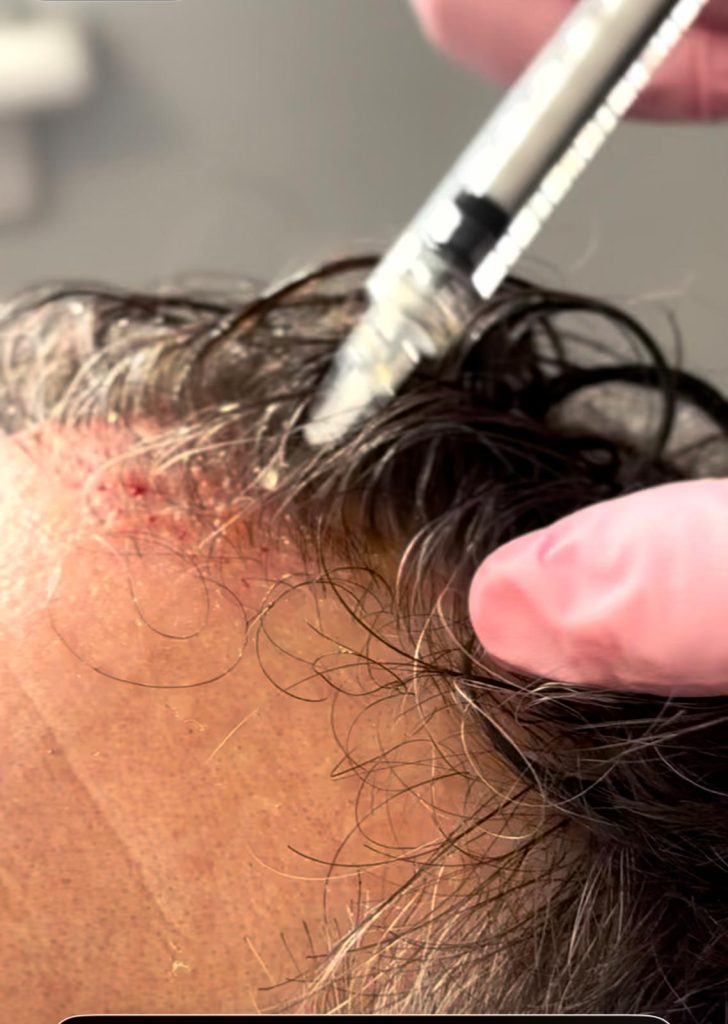

When researching wrinkle reduction treatments, many people quickly come across two terms: Botox and neuromodulators. These words are often used interchangeably, leading many individuals to wonder whether they refer to the same treatment or completely different procedures.
Across Nepean, as well as nearby communities such as Kanata and Barrhaven, interest in non-surgical facial rejuvenation continues to grow. More people are looking for treatments that soften wrinkles, preserve natural facial expressions, and help maintain a refreshed appearance without surgery or lengthy recovery times.
Understanding the differences between Botox and other neuromodulator injections is one of the most important steps before deciding which treatment may be appropriate.
This comprehensive guide explains how neuromodulators work, how Botox compares with other available products, what benefits each offers, expected costs, treatment areas, recovery, and what individuals should know before scheduling their first appointment.
What Is a Neuromodulator?
A neuromodulator is a type of injectable medication that temporarily relaxes targeted muscles responsible for creating facial expression lines.
These expression lines, known as dynamic wrinkles, develop over time from repeated muscle movement associated with:
- Smiling
- Laughing
- Squinting
- Frowning
- Raising the eyebrows
Neuromodulators reduce muscle activity by temporarily blocking communication between nerves and muscles.
As those muscles relax, the overlying skin appears smoother, helping reduce the appearance of wrinkles while preserving natural facial movement when administered appropriately. (American Society of Plastic Surgeons)
Is Botox the Same as a Neuromodulator?
One of the biggest misconceptions is that Botox and neuromodulators are different treatments.
In reality:
Botox is one type of neuromodulator.
Botox is simply the most recognized brand name within a larger category of injectable neuromodulators.
Other commonly used neuromodulators include:
- Dysport®
- Xeomin®
- Jeuveau®
- Daxxify®
All of these products contain a purified form of botulinum toxin type A, but each has slightly different characteristics regarding formulation, onset, diffusion, and duration. (Allure)
Why Neuromodulator Treatments Continue Growing in Nepean
Residents throughout Nepean increasingly seek cosmetic treatments that offer:
- Natural-looking improvements
- Little to no downtime
- Quick appointments
- Long-lasting wrinkle reduction
- Preventative anti-aging benefits
Many individuals from Kanata and Barrhaven are also choosing neuromodulator injections as part of long-term skin maintenance rather than waiting for wrinkles to become deeply established.
How Neuromodulators Work
Every facial expression activates specific muscles.
Over years of repeated movement, these muscles gradually create visible wrinkles.
Neuromodulators temporarily reduce muscle contractions by preventing nerve signals from reaching the targeted muscles.
As muscle movement decreases:
- Wrinkles soften
- Skin appears smoother
- New wrinkles develop more slowly
The treatment does not permanently affect the muscles.
Over time, nerve communication gradually returns, making maintenance treatments necessary.
Common Areas Treated
Neuromodulators can treat multiple facial concerns.
Forehead Lines
Horizontal lines caused by repeatedly raising the eyebrows.
Frown Lines
Vertical wrinkles between the eyebrows, often called the “11 lines.”
Crow’s Feet
Wrinkles around the outside corners of the eyes caused by smiling and squinting.
Bunny Lines
Small wrinkles across the bridge of the nose.
Lip Lines
Fine wrinkles around the mouth.
Chin
Neuromodulators may help soften dimpling caused by muscle activity.
Jawline
Masseter muscle treatment can help reduce jaw tension and create a slimmer facial contour.
Neck Bands
Certain neck muscles can also be treated to improve visible vertical bands.
Botox: The Most Established Neuromodulator
Botox remains the most recognized cosmetic injectable worldwide.
It has been used cosmetically for decades and has extensive clinical research supporting both safety and effectiveness.
Benefits of Botox
- Predictable results
- Extensive safety record
- Effective wrinkle reduction
- Suitable for most treatment areas
Botox generally begins working within:
3–5 days
Full results usually develop within:
10–14 days
Results commonly last:
3–4 months. (Mayo Clinic)
Dysport: A Popular Botox Alternative
Dysport functions similarly to Botox but has slightly different diffusion characteristics.
Some practitioners prefer Dysport for larger treatment areas because it spreads more easily.
Potential Advantages
- May begin working slightly faster
- Excellent for forehead treatment
- Natural-looking movement
Results generally appear within:
2–4 days. (Healthline)
Xeomin: A Purified Neuromodulator
Xeomin contains only the active neurotoxin without additional accessory proteins.
Because of this purified formulation, some providers believe it may reduce the chance of developing resistance over many years of treatment.
Benefits
- Highly purified formulation
- Effective wrinkle reduction
- Natural appearance
Jeuveau: Designed Specifically for Cosmetic Treatments
Jeuveau is another botulinum toxin type A product developed specifically for aesthetic use.
Many patients choose Jeuveau because it offers:
- Cosmetic-focused treatment
- Quick onset
- Competitive pricing
(Allure)
Daxxify: The Longer-Lasting Option
Daxxify is one of the newest neuromodulator products.
Its primary advantage is longevity.
Many individuals experience results lasting:
Approximately six months or longer
compared with the three to four months typically associated with Botox. (FDA)
Botox vs Other Neuromodulators
| Feature | Botox | Dysport | Xeomin | Jeuveau | Daxxify |
|---|---|---|---|---|---|
| Active Ingredient | Botulinum toxin A | Botulinum toxin A | Botulinum toxin A | Botulinum toxin A | Botulinum toxin A |
| Onset | 3–5 days | 2–4 days | 3–4 days | 2–4 days | About 2–4 days |
| Duration | 3–4 months | 3–4 months | 3–4 months | 3–4 months | Up to 6 months or longer |
| Best Known For | Proven reliability | Faster onset | Purified formula | Cosmetic focus | Longer duration |
All options can effectively reduce dynamic wrinkles. The most appropriate choice depends on individual goals, facial anatomy, treatment areas, and provider recommendations.
Neuromodulators Beyond Cosmetic Treatments
Neuromodulators are widely known for wrinkle reduction, but they are also used for several medical purposes.
These include:
Chronic Migraines
Botox is approved to help prevent chronic migraines in certain patients. (Mayo Clinic)
TMJ Symptoms
Neuromodulators may help relax overactive jaw muscles associated with clenching.
Excessive Sweating
Botulinum toxin can reduce excessive underarm sweating by temporarily blocking sweat gland stimulation.
Jaw Slimming
Masseter muscle treatment may create a softer lower facial contour.
Neuromodulator Cost in Nepean
One of the most frequently searched questions is:
“How much do neuromodulator injections cost?”
Pricing depends on:
- Product selected
- Number of units required
- Treatment area
- Individual facial anatomy
Average Cost
Most Ottawa-area clinics charge:
$8–$15 per unit
Typical treatment costs include:
- Forehead: $150–$350
- Frown lines: $150–$400
- Crow’s feet: $150–$350
- Multiple areas: $300–$800+
What Happens During Treatment?
Consultation
A provider evaluates:
- Facial anatomy
- Muscle movement
- Wrinkle patterns
- Treatment goals
Treatment
Tiny injections are administered using very fine needles.
Most appointments require:
10–20 minutes
Many patients return to work immediately afterward.
Before and After Results
Days 1–3
Minimal visible change.
Days 4–7
Muscles gradually relax.
Days 10–14
Final results become visible.
Patients often notice:
- Softer forehead lines
- Less prominent crow’s feet
- Reduced frown lines
- Refreshed appearance
The objective is generally to preserve natural facial movement while minimizing unwanted wrinkles.
Recovery and Downtime
Neuromodulator injections involve minimal downtime.
Patients may experience:
- Mild redness
- Temporary swelling
- Minor bruising
These effects usually resolve quickly.
Providers commonly recommend:
- Avoiding strenuous exercise for 24 hours
- Avoiding rubbing treated areas
- Remaining upright for several hours after treatment
Are Neuromodulators Safe?
Neuromodulators have been studied extensively and have a strong safety profile when administered by qualified medical professionals. (American Society of Plastic Surgeons)
Most side effects are mild and temporary.
Potential side effects include:
- Bruising
- Redness
- Swelling
- Tenderness
Serious complications are uncommon.
Frequently Asked Questions
Is Botox different from a neuromodulator?
No. Botox is one brand of neuromodulator.
Which neuromodulator lasts the longest?
Daxxify may last approximately six months or longer in some individuals. (FDA)
How long do results last?
Most neuromodulators last between 3 and 4 months, although longevity varies.
Do neuromodulators prevent wrinkles?
Many individuals use them preventatively to reduce wrinkle formation over time.
Are neuromodulators safe?
Yes, when administered by qualified healthcare professionals.
Which treatment is best?
The most appropriate treatment depends on individual anatomy, goals, medical history, and provider recommendations.
Final Thoughts: Choosing Between Botox and Neuromodulators in Nepean
For individuals considering wrinkle reduction in Nepean, understanding that Botox is one type of neuromodulator—not a completely separate treatment—is an important first step.
Today’s patients have access to several highly effective neuromodulator options, each offering unique characteristics related to onset, duration, formulation, and treatment preferences.
Whether someone ultimately receives Botox, Dysport, Xeomin, Jeuveau, or Daxxify, the most important factor is selecting a personalized treatment plan based on facial anatomy, aesthetic goals, and professional medical guidance.
As more people throughout Nepean, Kanata, and Barrhaven embrace preventative anti-aging treatments, neuromodulator injections continue to be among the most trusted, researched, and effective non-surgical cosmetic options available.