

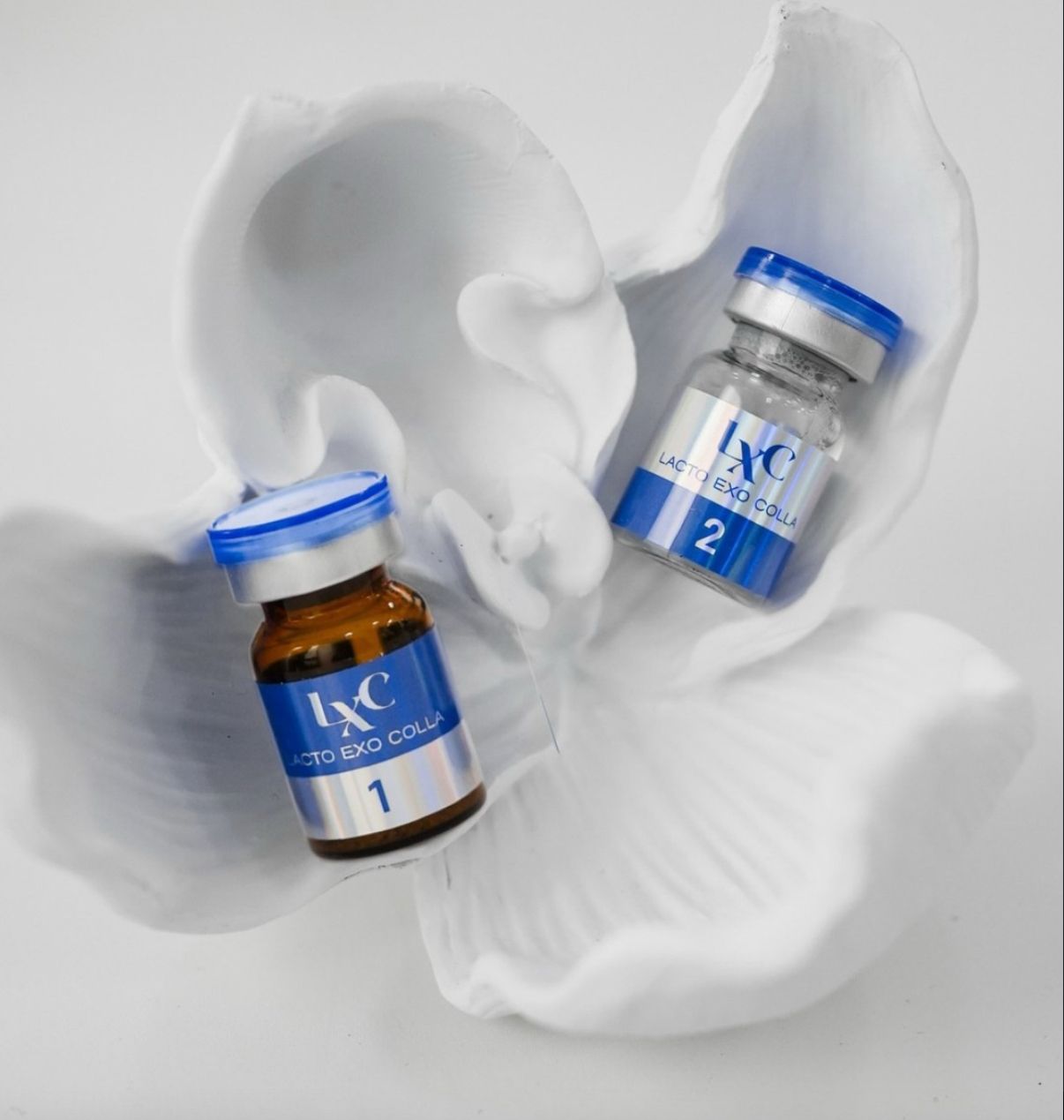
Hair thinning can develop gradually, and it may have many different causes. People researching hair loss treatments in Ottawa may encounter mesotherapy, a procedure in which a provider uses small injections into the scalp. Before considering it, learn what the treatment involves, what is known about its limitations, and why identifying the cause of hair loss matters.
Mesotherapy is not a single standardized treatment. The substances used, injection technique, schedule, and proposed benefits can vary between providers. Ask exactly what a clinic offers and discuss it with a qualified healthcare professional before deciding whether it is appropriate for you.
What is scalp mesotherapy?
Scalp mesotherapy involves a series of small injections into the skin of the scalp. Depending on the provider’s protocol, the injected solution may contain different ingredients. There is no single formulation used in every clinic, so the term alone does not tell you what will be injected.
Some aesthetic providers offer mesotherapy with the goal of supporting scalp or hair health. However, claims about hair growth should be approached carefully. The available evidence can vary by ingredient and protocol, and a treatment should not be presented as a guaranteed solution for hair loss.
During a consultation, ask for the exact name and ingredients of the product, how it is administered, and what evidence supports its use for your concern. You should also be told about potential risks and other options.
Why does identifying the cause of hair loss matter?
Hair loss can be associated with genetics, hormonal changes, certain health conditions, nutritional deficiencies, medications, stress, scalp conditions, or other factors. Different causes may need different evaluations and care. Treating the scalp without understanding why hair is thinning may not address the underlying issue.
A healthcare professional can review when the hair loss began, whether it is diffuse or concentrated in particular areas, and whether there are other symptoms. They may ask about your medical history, family history, medications, recent illness, diet, and hair care practices. Depending on the situation, they may recommend an examination or further assessment.
Consider seeking medical advice if hair loss is sudden, patchy, accompanied by scalp pain or inflammation, or associated with other new symptoms. An accurate assessment can help you understand which options are suitable.
What happens during a mesotherapy consultation in Ottawa?
A consultation should begin with a discussion of your goals and health history. The provider should ask about your pattern of hair loss, previous treatments, allergies, medications, and relevant medical conditions. Be open about any scalp sensitivity or past reactions to injections or topical products.
Ask the provider to explain:
- What exact product or ingredients will be injected?
- Who will perform the procedure and what qualifications do they have?
- What evidence supports this protocol for my type of hair loss?
- What benefits are realistic, and how will progress be assessed?
- What side effects or complications are possible?
- How many sessions may be recommended, and what is the total cost?
- What other assessment or treatment options should I consider?
You should have time to consider the information. A consultation is not an obligation to proceed.
How is scalp mesotherapy performed?
The procedure generally involves cleaning the treatment area and delivering a series of small injections into selected scalp areas. The number and placement of injections depend on the provider’s approach and the treatment plan. The appointment may cause temporary discomfort, tenderness, or a prickling sensation.
Ask how the clinic manages discomfort and what steps it takes to maintain cleanliness and safety. Confirm what product is being used and whether you can review its ingredient information. If you have allergies or a history of reactions, discuss them before treatment.
Do not proceed if you do not understand what is being injected or if you feel pressured to book a package before your questions are answered.
What should patients expect afterward?
After injections, some people may notice temporary redness, tenderness, small bumps, or mild swelling at the treatment sites. The experience and recovery time can vary. Your provider should give you written aftercare instructions specific to the product and procedure.
Ask when you can wash your hair, exercise, use styling products, or resume other scalp treatments. Avoid rubbing or applying products to the treated area until your provider says it is appropriate. If you develop worsening pain, significant swelling, signs of infection, or another concerning reaction, contact the clinic or seek medical advice promptly.
Results, if any, are not immediate. Hair growth cycles take time, and changes may be difficult to evaluate without consistent tracking. A provider should explain when progress will be reviewed and how they will distinguish treatment effects from natural changes.
Potential risks and limitations
Any injection procedure carries potential risks, including pain, bruising, bleeding, infection, irritation, or an allergic reaction. The specific risks depend on the ingredients, technique, and individual factors. Ask the provider to discuss risks in plain language before treatment.
Mesotherapy may not be appropriate for everyone. Your health history, medications, allergies, scalp condition, pregnancy or nursing status, and the cause of your hair loss may affect suitability. Do not assume a treatment is safe simply because it is described as natural or minimally invasive.
The treatment’s effectiveness can also be uncertain. Different clinics may use different formulations and schedules, making it difficult to compare outcomes. A responsible provider should avoid promising a particular amount of regrowth or suggesting that mesotherapy works for every type of hair loss.
Comparing mesotherapy with other hair loss options
Treatment depends on the cause and pattern of hair loss. A clinician may discuss medical evaluation, evidence-based therapies, changes to hair care, or other options that suit your diagnosis and goals. In some cases, addressing an underlying health issue may be more important than pursuing an aesthetic procedure.
Rejovenation also lists PRF hair restoration among its services. PRF and mesotherapy are different procedures, and neither should be assumed to be suitable without an assessment. Ask how the options differ, what evidence and limitations apply, and whether you should first be evaluated by a physician or dermatologist.
Avoid combining treatments or starting several new products at once without professional guidance. A clear plan makes it easier to monitor what is helping and identify any unwanted reactions.
How to track changes in hair density
If you and your provider decide to monitor your hair, consistent photos can be more useful than relying on memory. Use similar lighting, angles, and hair positioning each time. Record when you began treatment and note any changes in shedding, scalp symptoms, or routine.
Be patient but realistic. Hair density can fluctuate, and short-term changes do not necessarily show whether a treatment is working. Ask your provider when a fair review should happen and what the next step would be if you do not see the changes you hoped for.
Is mesotherapy right for you?
Mesotherapy for hair loss in Ottawa may be an option some patients ask about, but suitability depends on the specific formulation, the cause of hair loss, and individual health factors. A careful consultation should explain the procedure, its evidence, risks, cost, and alternatives before you make a decision.
Start by understanding why your hair is thinning. Then discuss available options with a qualified professional who can help you weigh realistic benefits against limitations. If you are considering scalp mesotherapy at Rejovenation, ask for a personalized consultation and clear information about the clinic’s protocol before booking treatment.
This article is for general informational purposes only and does not provide medical advice, diagnosis, or treatment. Hair loss can have medical causes; consult a qualified healthcare professional about your individual situation and follow the guidance of your clinician.