

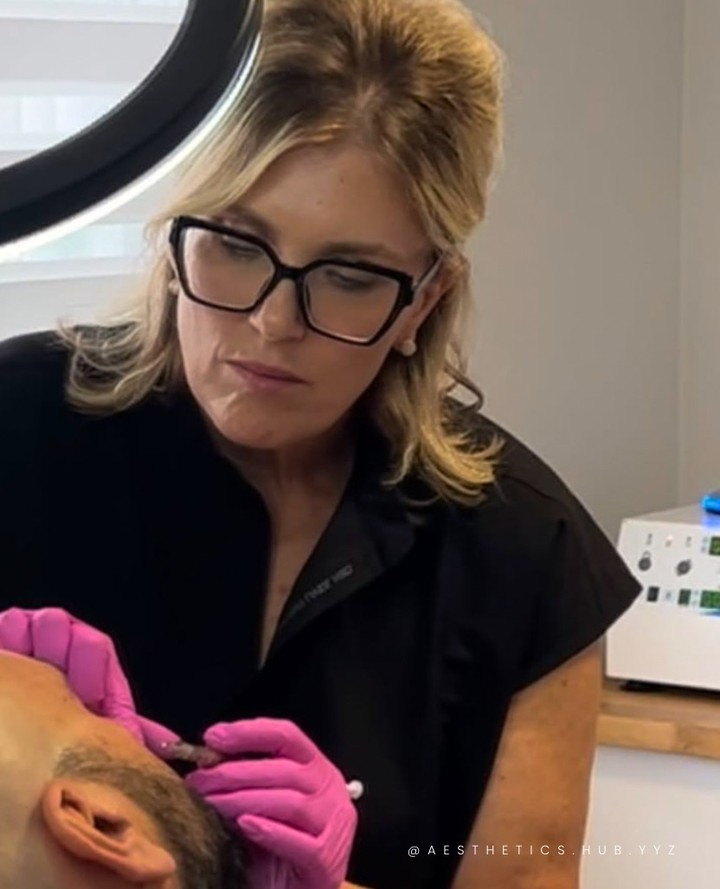
Hair loss affects millions of men and women every year, and for many people, it is about much more than appearance. Thinning hair, a widening part, a receding hairline, or reduced hair density can affect confidence, self-image, and overall quality of life. While surgical hair transplantation has long been considered the standard solution for advanced hair loss, not everyone wants—or needs—an invasive procedure.
Today, regenerative medicine is changing the conversation. One of the most exciting developments in non-surgical hair restoration is exosome therapy, an innovative treatment designed to support healthier hair follicles by improving cellular communication and regeneration. Across Manotick, as well as nearby communities including Barrhaven and Nepean, more individuals are exploring exosome therapy as a modern approach to addressing hair thinning and early hair loss.
Although exosome therapy has shown encouraging early results, it remains an evolving area of regenerative medicine, and researchers continue to study its long-term effectiveness and optimal treatment protocols.
This guide explains everything someone should know about exosome therapy for hair restoration, including how it works, who may benefit, expected results, costs, recovery, and how it compares with other non-surgical hair restoration options.
Understanding Hair Loss
Hair growth follows a natural cycle consisting of three phases:
Anagen (Growth Phase)
Hair actively grows from the follicle.
Catagen (Transition Phase)
Growth slows while the follicle prepares to rest.
Telogen (Resting Phase)
Hair naturally sheds before a new strand begins growing.
When this cycle becomes disrupted, hair may begin to thin, shed excessively, or stop growing altogether.
Common causes include:
- Genetics
- Hormonal changes
- Aging
- Stress
- Nutritional deficiencies
- Certain medical conditions
- Some medications
For many individuals in Manotick, hereditary pattern hair loss (androgenetic alopecia) is the most common cause of progressive thinning.
What Are Exosomes?
Exosomes are tiny extracellular vesicles naturally released by cells throughout the body.
Rather than functioning as cells themselves, exosomes act as biological messengers, carrying:
- Growth factors
- Proteins
- Messenger RNA
- MicroRNA
- Signaling molecules
These molecules help cells communicate with one another and coordinate tissue repair, inflammation control, and regeneration.
This communication role is what makes exosomes particularly interesting in regenerative medicine.
What Is Exosome Therapy for Hair Restoration?
Exosome therapy is a regenerative treatment designed to support hair follicle function by delivering signaling molecules that encourage healthy cellular activity.
Unlike medications that primarily influence hormones or surgical procedures that relocate hair follicles, exosome therapy focuses on improving the environment surrounding existing follicles.
The goal is to support:
- Hair follicle health
- Hair density
- Hair thickness
- Scalp regeneration
- Long-term follicle function
Research suggests exosomes may activate important biological pathways involved in hair follicle regeneration, including Wnt/β-catenin signaling, vascular endothelial growth factor (VEGF), and other regenerative mechanisms.
Why Exosome Therapy Is Growing in Popularity in Manotick
Residents throughout Manotick are increasingly interested in treatments that provide:
- Non-surgical solutions
- Minimal downtime
- Natural-looking improvements
- Regenerative approaches
- Personalized treatment plans
Many individuals from Barrhaven and Nepean are seeking alternatives before considering surgical hair transplantation.
Exosome therapy fits well into this growing trend toward regenerative medicine.
How Exosomes May Support Hair Growth
Healthy hair follicles depend on constant communication between surrounding cells.
As follicles weaken:
- Hair becomes thinner
- Growth slows
- Shedding increases
- Follicles may eventually become inactive
Exosomes deliver biological signals that may help:
Stimulate Hair Follicles
Growth factors may encourage dormant follicles to become more active.
Improve Blood Supply
Healthy circulation helps deliver oxygen and nutrients to follicles.
Reduce Inflammation
Chronic inflammation may contribute to certain types of hair loss.
Support Cellular Repair
Exosomes promote communication involved in tissue regeneration.
These combined effects may create a healthier scalp environment for hair growth.
Can Exosomes Reverse Hair Loss?
One of the most common questions patients ask is:
“Can exosome therapy reverse hair loss?”
The answer depends on the underlying cause and stage of hair loss.
Current evidence suggests exosome therapy may help improve:
- Hair density
- Hair thickness
- Hair quality
- Overall scalp health
It appears to be most promising for individuals with early to moderate hair thinning, where active follicles are still present. However, exosomes are not generally expected to regenerate hair in areas where follicles have been permanently lost, and larger, high-quality clinical trials are still needed to confirm long-term effectiveness.
Benefits of Exosome Therapy
One reason exosome therapy continues attracting attention is its potential to address multiple aspects of hair health.
Non-Surgical Treatment
No surgical incisions or hair transplantation are required.
Minimal Downtime
Most individuals return to normal activities shortly after treatment.
Natural Regenerative Approach
Rather than relocating hair, exosomes focus on supporting existing follicles.
Improved Hair Density
Clinical studies have reported increases in hair density following exosome therapy, although outcomes vary between individuals and studies.
Thicker Hair
Many patients notice healthier, stronger hair shafts as treatment progresses.
Scalp Health
Improved scalp environment may support healthier long-term follicle function.
Exosome Therapy Before and After: What Results Can Be Expected?
Hair growth requires patience.
Unlike cosmetic wrinkle treatments, hair restoration develops gradually.
First Month
Patients may notice:
- Reduced hair shedding
- Improved scalp condition
Two to Three Months
Many individuals begin noticing:
- Stronger hair
- Improved thickness
- Better hair quality
Four to Six Months
Visible improvements often include:
- Increased density
- Fuller appearance
- Healthier hair growth
Systematic reviews of clinical studies have reported improvements in hair density and thickness across several types of exosome preparations, but researchers also note that study designs, products, and treatment protocols vary considerably.
Who May Be a Good Candidate?
Exosome therapy may be considered for individuals who:
- Have early hair thinning
- Experience androgenetic alopecia
- Want a non-surgical approach
- Have active hair follicles
- Prefer regenerative treatments
Suitability depends on the underlying cause of hair loss and should be determined during a professional consultation.
Exosomes vs PRP for Hair Restoration
Many patients compare exosome therapy with PRP.
PRP
Uses growth factors from the patient’s own blood.
Benefits include:
- Extensive clinical history
- Natural source
- Well-established regenerative treatment
Exosomes
Provide signaling molecules that help coordinate cellular communication.
Potential advantages include:
- Broader regenerative signaling
- Reduced inflammation
- Enhanced follicle support
Some clinicians combine both therapies as part of personalized treatment plans, although additional research is needed to determine which combinations produce the best outcomes.
Exosome Therapy Cost in Manotick
One of the most common questions is:
“How much does exosome therapy cost?”
Pricing depends on:
- Product used
- Treatment area
- Number of sessions
- Provider expertise
Typical Cost
Hair restoration treatments commonly range between:
$800 and $2,500+ per session
Many providers recommend multiple sessions depending on the degree of hair thinning.
Recovery and Downtime
One reason many residents of Manotick choose exosome therapy is its convenience.
Most patients experience:
- Mild redness
- Temporary scalp tenderness
- Minor sensitivity
These effects usually resolve within a day or two.
Most individuals resume normal daily activities immediately.
Is Exosome Therapy Safe?
Published clinical studies have generally reported few serious adverse events, with temporary redness or mild discomfort being the most commonly reported side effects. However, experts emphasize that exosome therapies are not yet fully standardized, and product quality, sourcing, and protocols can vary. Continued research is needed to better define long-term safety and effectiveness.
Why More People in Manotick Are Exploring Regenerative Hair Restoration
The growing interest in exosomes reflects a broader movement toward treatments that:
- Support natural healing
- Avoid surgery
- Require minimal downtime
- Focus on long-term follicle health
Residents throughout Manotick, Barrhaven, and Nepean are increasingly exploring regenerative medicine as part of proactive hair restoration strategies.
Frequently Asked Questions
What are exosomes?
Exosomes are tiny extracellular vesicles that carry proteins, growth factors, and signaling molecules between cells.
Can exosomes regrow hair?
Early clinical studies suggest they may improve hair density and thickness in some individuals, particularly those with early-stage hair loss. More research is still needed.
Is exosome therapy better than PRP?
Both treatments aim to support hair regeneration through different mechanisms. The best choice depends on individual goals and clinical assessment.
How long does treatment take?
Most appointments are completed within approximately 30 to 60 minutes.
Is there downtime?
Downtime is minimal, with most individuals returning to normal activities immediately.
How much does exosome therapy cost?
Most treatments range from approximately $800 to $2,500+ per session, depending on the treatment plan.
Final Thoughts: Is Exosome Therapy Worth Considering in Manotick?
For individuals experiencing early hair thinning and looking for a non-surgical solution, exosome therapy represents one of the most exciting developments in regenerative hair restoration.
Rather than replacing hair through surgery, exosomes aim to support healthier follicles by improving the biological environment of the scalp and encouraging natural regenerative processes.
Although research continues to evolve, early clinical evidence has been encouraging, showing improvements in hair density, thickness, and patient satisfaction with a favorable safety profile.
As interest in regenerative medicine continues to grow throughout Manotick, Barrhaven, and Nepean, exosome therapy is emerging as an innovative option for individuals seeking to address hair loss naturally and proactively.