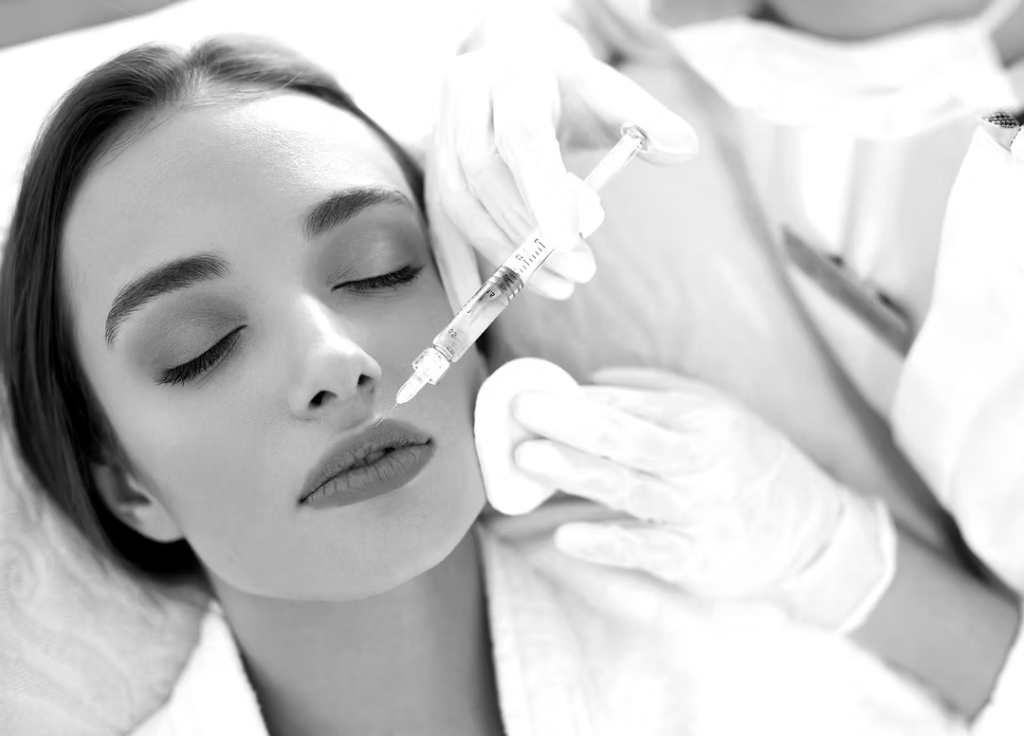

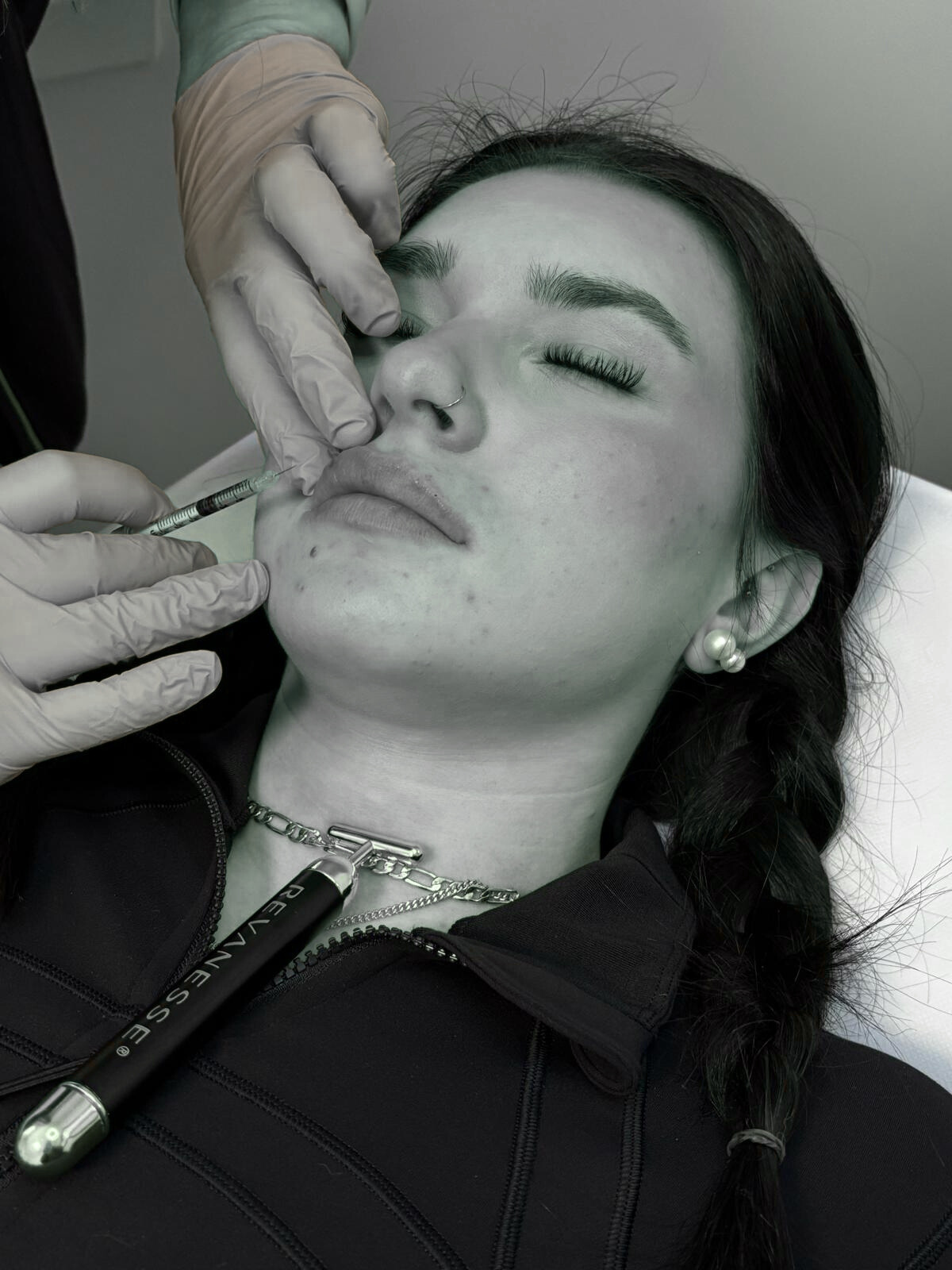
Taking the first step toward cosmetic treatment is exciting, but it can also feel overwhelming. Whether someone is interested in reducing wrinkles, improving skin texture, restoring a youthful appearance, or exploring regenerative treatments, the consultation is one of the most important parts of the entire process.
Many individuals in Nepean, as well as nearby communities including Kanata and Barrhaven, spend weeks researching treatments like Botox®, neuromodulators, PRP (Platelet-Rich Plasma), PRF (Platelet-Rich Fibrin), exosome therapy, mesotherapy, HydraFacial, and IV wellness therapy before scheduling their first appointment. Questions about safety, costs, expected results, recovery time, and candidacy are common—and a professional consultation is designed to answer them.
Rather than focusing on recommending a single treatment, a cosmetic consultation evaluates a person’s unique facial anatomy, skin condition, health history, and aesthetic goals to determine which options may be appropriate.
This comprehensive guide explains what typically happens during a first cosmetic consultation, what patients should prepare for, and how providers develop personalized treatment plans.
Why a Cosmetic Consultation Matters
No two faces age the same way.
Factors such as:
- Genetics
- Lifestyle
- Sun exposure
- Skin type
- Medical history
- Previous cosmetic procedures
all influence treatment recommendations.
A consultation helps ensure that cosmetic treatments are selected based on individual needs rather than online trends or generalized advice.
Residents throughout Nepean, Kanata, and Barrhaven increasingly recognize that successful aesthetic outcomes begin with thoughtful planning rather than rushing into treatment.
What Happens Before the Appointment?
Before arriving, patients are often asked to complete medical intake forms.
These may include questions about:
- Current medications
- Allergies
- Medical conditions
- Previous cosmetic procedures
- Pregnancy or breastfeeding status
- Smoking history
- Skincare routine
Providing accurate medical information helps ensure treatments are both safe and appropriate.
Step 1: Discussing Your Goals
The consultation usually begins with a conversation.
Rather than focusing immediately on injections or procedures, providers typically ask questions such as:
- What concerns you most?
- What changes would you like to see?
- Are you hoping for subtle improvements or more noticeable changes?
- Have you received cosmetic treatments before?
- What timeline are you hoping for?
Some people want to soften forehead lines.
Others are concerned about:
- Skin texture
- Hair thinning
- Under-eye concerns
- Skin hydration
- Overall facial rejuvenation
Understanding priorities allows a personalized treatment plan to be developed.
Step 2: Reviewing Medical History
Medical history plays an important role in cosmetic planning.
Certain conditions or medications may influence treatment recommendations.
Providers commonly review:
- Blood-thinning medications
- Autoimmune conditions
- Active infections
- Skin disorders
- Previous cosmetic complications
- Recent surgeries
This step helps reduce risks and supports safe treatment planning.
Step 3: Facial Assessment
One of the most valuable parts of the consultation is the facial assessment.
Rather than simply looking at wrinkles, providers evaluate overall facial anatomy.
They may assess:
Skin Quality
Looking at:
- Hydration
- Elasticity
- Texture
- Pigmentation
- Sun damage
Muscle Movement
For neuromodulator treatments, providers observe:
- Forehead movement
- Frown lines
- Crow’s feet
- Smile patterns
Understanding muscle activity helps guide injection placement.
Volume Changes
Natural aging often causes gradual volume loss.
Providers assess:
- Cheeks
- Temples
- Under-eye area
- Jawline
Although not every patient requires volume restoration, understanding facial proportions is important.
Skin Laxity
The consultation also evaluates:
- Firmness
- Elasticity
- Early sagging
- Collagen loss
This helps determine whether regenerative treatments may be appropriate.
Understanding Botox and Neuromodulators
Many first-time patients ask:
“Do I need Botox?”
During the consultation, providers explain that Botox is one type of neuromodulator.
Neuromodulators temporarily relax targeted facial muscles that create dynamic wrinkles.
Common treatment areas include:
- Forehead
- Frown lines
- Crow’s feet
- Bunny lines
- Chin
- Jaw muscles
The consultation determines whether muscle movement is actually contributing to visible wrinkles.
Understanding PRP
Patients interested in natural skin rejuvenation often ask about PRP (Platelet-Rich Plasma).
During the consultation, providers explain that PRP uses a small sample of the patient’s own blood.
After processing the blood, concentrated platelets containing growth factors are introduced into targeted treatment areas.
PRP is commonly discussed for:
- Skin rejuvenation
- Hair restoration
- Collagen stimulation
The consultation evaluates whether regenerative treatments align with the patient’s goals.
Understanding PRF
PRF (Platelet-Rich Fibrin) is another regenerative treatment that may be discussed.
Unlike PRP, PRF contains a fibrin matrix that allows growth factors to be released more gradually.
PRF is frequently considered for:
- Facial rejuvenation
- Under-eye concerns
- Skin quality
- Natural anti-aging
Patients interested in treatments using their own biological materials often appreciate learning the differences between PRP and PRF.
Understanding Exosome Therapy
Many patients researching advanced regenerative medicine ask about exosome therapy.
Exosomes are tiny extracellular vesicles that carry signaling molecules involved in cellular communication.
During the consultation, providers may explain that exosome therapy is being explored for:
- Skin rejuvenation
- Hair restoration
- Recovery support
- Regenerative aesthetics
Because exosome therapy is a rapidly evolving field, providers should also discuss the current state of scientific evidence, expected outcomes, and whether the treatment is appropriate for an individual’s specific concerns.
Understanding Mesotherapy
If improving overall skin quality is the primary goal, mesotherapy may also be discussed.
Mesotherapy delivers ingredients such as:
- Vitamins
- Amino acids
- Hyaluronic acid
- Antioxidants
directly into the skin.
It is often considered for:
- Hydration
- Fine lines
- Skin texture
- Early aging
- Radiance
Understanding HydraFacial
Patients seeking healthier skin without injections often ask about HydraFacial.
HydraFacial combines:
- Cleansing
- Exfoliation
- Extraction
- Hydration
- Antioxidant infusion
Many providers recommend HydraFacial as part of an ongoing skincare maintenance program.
Discussing Treatment Expectations
One of the most important parts of the consultation involves setting realistic expectations.
Patients often ask:
- How long will results last?
- When will improvements appear?
- Will I look natural?
- Is one treatment enough?
A qualified provider explains that:
- Results vary between individuals.
- Some treatments require multiple sessions.
- Regenerative therapies develop gradually.
- Maintenance treatments are often recommended.
Clear communication helps patients make informed decisions.
Reviewing Before-and-After Photos
Many clinics share examples of previous treatment outcomes.
These photographs help patients understand:
- Typical improvements
- Realistic expectations
- Gradual changes
- Treatment timelines
Photos should represent outcomes that are typical rather than guaranteed.
Creating a Personalized Treatment Plan
After the assessment, the provider develops a treatment plan.
This may include one procedure or a combination of treatments.
Examples might include:
- Neuromodulators for expression lines
- PRP or PRF for skin rejuvenation
- Exosome therapy for regenerative support
- Mesotherapy for hydration and skin quality
- HydraFacial for maintenance
The treatment plan should reflect the patient’s anatomy, goals, and preferences rather than following a one-size-fits-all approach.
Understanding Costs
One of the most common consultation topics is pricing.
Treatment costs vary depending on:
- Procedure selected
- Number of treatment areas
- Number of sessions
- Individual treatment plan
A consultation allows patients to receive accurate pricing based on their personalized recommendations rather than generalized estimates.
Asking Questions
Patients should feel comfortable asking questions such as:
- Which treatment best fits my concerns?
- What results are realistic?
- How long will recovery take?
- What side effects are possible?
- How often are maintenance treatments needed?
- What skincare routine should I follow afterward?
An informed patient is better equipped to make confident decisions.
Preparing for Treatment
If treatment is scheduled after the consultation, providers may offer personalized instructions.
Depending on the procedure, recommendations may include:
- Avoiding blood-thinning medications when medically appropriate and only after consulting the prescribing physician.
- Limiting alcohol before treatment.
- Arriving with clean skin.
- Avoiding certain skincare products for a short period before or after treatment.
Instructions vary depending on the selected procedure.
Why Personalized Consultations Produce Better Results
One person’s ideal treatment may not be appropriate for another.
A personalized consultation helps identify:
- Individual facial anatomy
- Skin quality
- Treatment priorities
- Long-term skincare goals
This individualized approach often leads to more balanced, natural-looking outcomes.
Frequently Asked Questions
How long does a cosmetic consultation take?
Most consultations last between 30 and 60 minutes, depending on the number of concerns discussed.
Will treatment happen during the first visit?
Sometimes. If the provider determines a patient is an appropriate candidate and there are no contraindications, treatment may be performed the same day. In other cases, a separate appointment may be recommended.
Should I stop wearing skincare products before my consultation?
Most patients can continue their usual skincare routine unless instructed otherwise.
Will I know the treatment cost during the consultation?
Yes. Personalized pricing is typically discussed after the provider develops a treatment plan.
Can multiple treatments be combined?
Yes. Many patients receive customized treatment plans that combine different procedures based on their goals.
Is a consultation necessary if I already know which treatment I want?
Yes. Even if someone has researched a specific treatment, a consultation helps confirm whether it is appropriate and identifies any factors that may influence safety or expected outcomes.
Final Thoughts: Starting Your Cosmetic Journey in Nepean
A cosmetic consultation is far more than a discussion about injections or skincare procedures—it is the foundation for creating a personalized, evidence-informed treatment plan.
Whether someone is considering Botox, neuromodulators, PRP, PRF, exosome therapy, mesotherapy, HydraFacial, or IV wellness therapy, the consultation provides an opportunity to understand available options, ask questions, review realistic expectations, and make informed decisions.
For individuals throughout Nepean, Kanata, and Barrhaven, beginning with a thorough consultation helps ensure that cosmetic treatments are selected based on individual anatomy, skin health, and long-term aesthetic goals, supporting natural-looking results and a confident treatment experience.