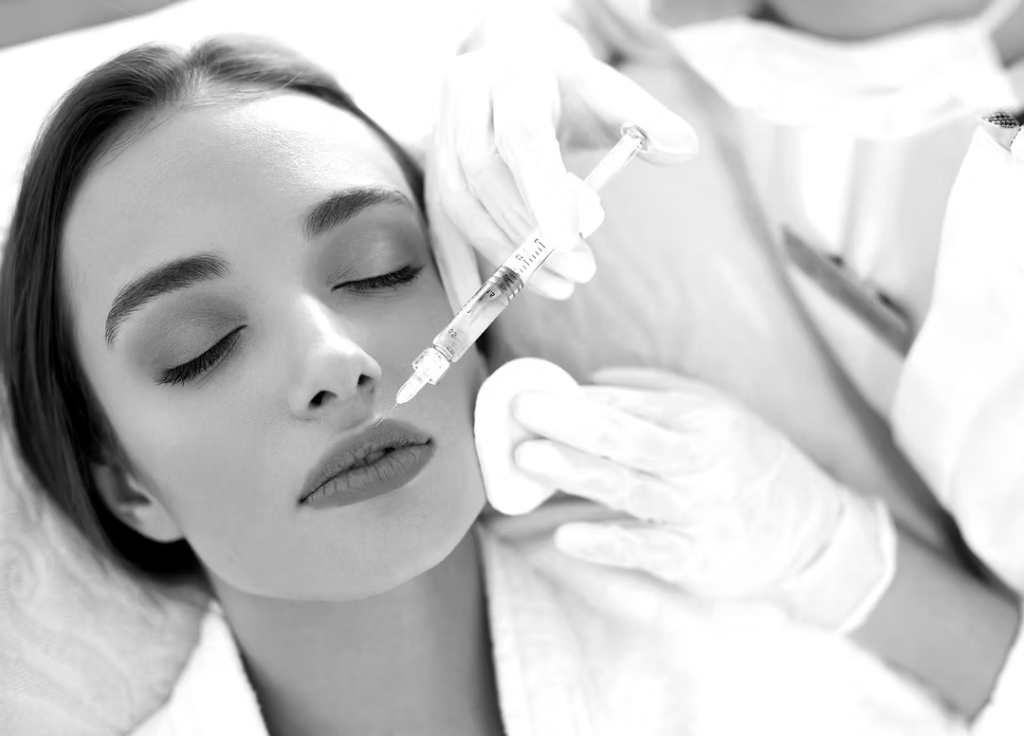

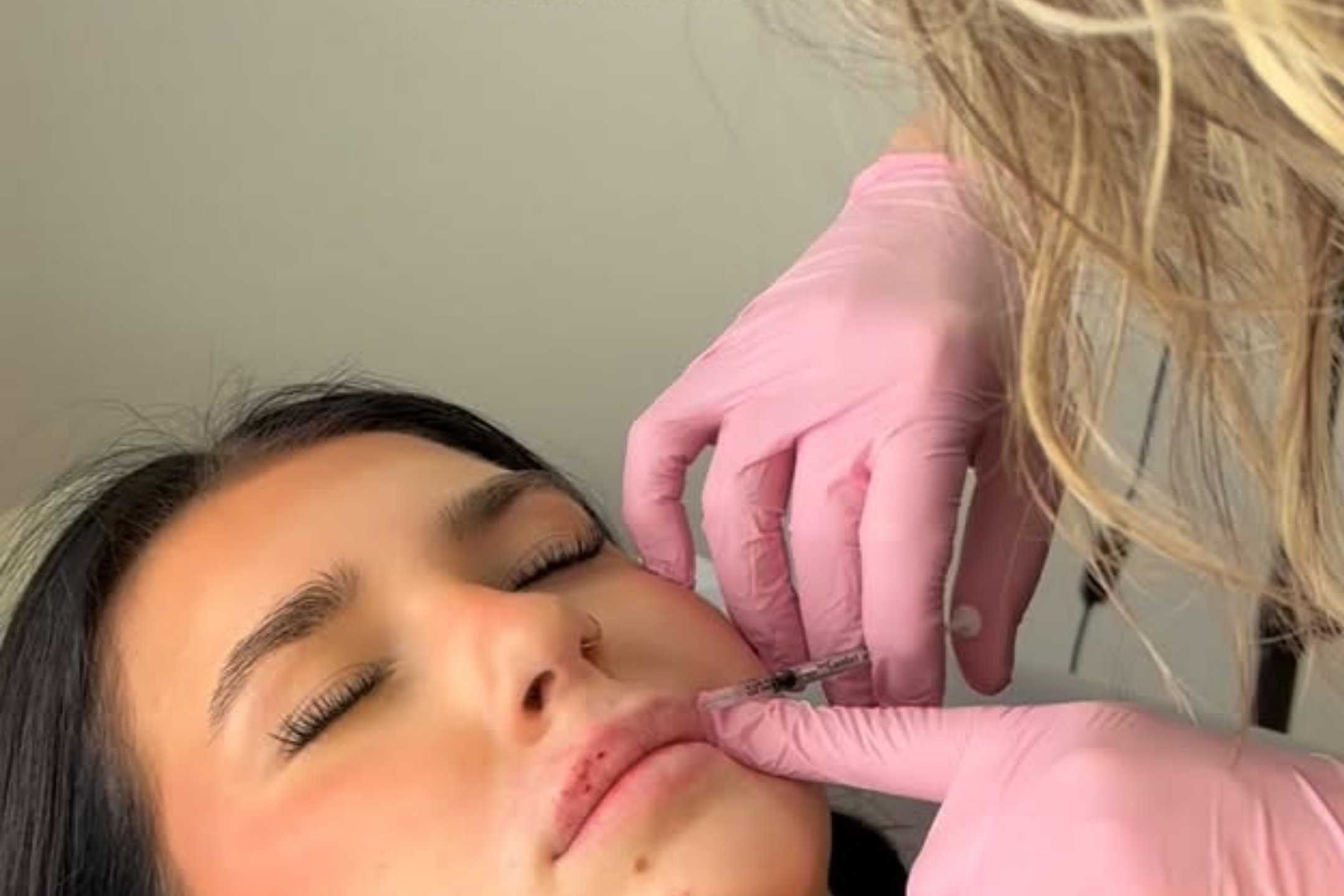
The field of facial rejuvenation is changing. While traditional cosmetic treatments remain popular, a growing number of people are interested in treatments that use components of their own blood to support the skin’s natural regenerative processes.
Two of the most discussed options are PRP, or Platelet Rich Plasma, and PRF, or Platelet Rich Fibrin.
For individuals researching PRP vs PRF in Nepean, the treatments can initially seem almost identical. Both begin with a blood draw. Both concentrate platelets and naturally occurring signaling molecules. Both are used in regenerative aesthetics. And both may be considered when someone wants to improve skin quality without dramatically changing facial features.
However, PRP and PRF are not exactly the same.
Differences in preparation, fibrin structure, anticoagulant use, cellular composition, and growth factor release can influence how practitioners use each treatment.
The more important question is not simply, “Is PRF better than PRP?”
A better question is:
Which treatment is more appropriate for the individual’s skin, facial anatomy, concerns, and rejuvenation goals?
Current research does not establish one as universally superior. A recent systematic review of PRP and PRF for facial rejuvenation found the strongest evidence of improvement in skin thickness and elasticity, while improvements in wrinkles, texture, pigmentation, and hydration were less consistent.
For people in Nepean, as well as nearby Kanata and Barrhaven, understanding these differences can make it much easier to have an informed conversation about regenerative facial rejuvenation.
What Is PRP?
PRP stands for Platelet Rich Plasma.
PRP is prepared from a small amount of the patient’s own blood.
The blood is collected and processed in a centrifuge to separate different components and create plasma with a higher concentration of platelets.
Platelets are best known for their role in clotting, but they also contain signaling molecules and growth factors involved in normal tissue repair.
PRP can contain growth factors such as:
- Platelet derived growth factor
- Transforming growth factor beta
- Vascular endothelial growth factor
- Basic fibroblast growth factor
- Epidermal growth factor
These signaling molecules are one reason PRP has attracted interest in regenerative aesthetics.
For facial rejuvenation, PRP is generally used with the goal of supporting healthier tissue and improvements in skin quality rather than providing the immediate structural volume associated with conventional dermal fillers.
What Is PRF?
PRF stands for Platelet Rich Fibrin.
PRF is also prepared using the patient’s own blood, but its preparation differs from conventional PRP.
One of its defining characteristics is the presence of a fibrin matrix.
This fibrin network can act as a biological scaffold that contains platelets and other cellular components. Depending on the specific preparation technique, PRF may also contain leukocytes and other blood components.
PRF protocols commonly avoid the anticoagulants used in many PRP preparations.
The resulting material therefore behaves differently from liquid PRP.
PRF has attracted considerable attention in aesthetic medicine because researchers believe the fibrin network may support a more gradual release of signaling molecules.
However, PRF research for facial rejuvenation is newer and considerably smaller than the PRP literature. One systematic review of injectable PRF identified only seven eligible studies across facial rejuvenation and alopecia, involving 130 patients in total. The facial studies reported encouraging changes in texture, elasticity, wrinkles, and lines, but the relatively small evidence base is important to recognize.
PRP vs PRF: What Is the Main Difference?
Both treatments start with the patient’s blood.
The key differences are primarily related to how that blood is processed and what the resulting preparation contains.
| Feature | PRP | PRF |
|---|---|---|
| Full Name | Platelet Rich Plasma | Platelet Rich Fibrin |
| Source | Patient’s blood | Patient’s blood |
| Platelets | Yes | Yes |
| Fibrin Matrix | Less prominent | More prominent |
| Anticoagulant | Often used | Commonly avoided |
| Growth Factor Delivery | Generally earlier release | Intended to be more gradual |
| Research History | More established | Newer aesthetic evidence |
| Main Aesthetic Goal | Regenerative skin support | Regenerative tissue and skin support |
The exact composition can vary considerably because there is no single universal PRP or PRF preparation method.
That lack of standardization is one of the major challenges researchers encounter when comparing outcomes.
How Do PRP and PRF Relate to Collagen?
Collagen is one of the most important structural proteins in healthy skin.
It contributes to:
- Firmness
- Thickness
- Elasticity
- Smoothness
- Overall structural integrity
As people age, collagen production and organization change.
This contributes to visible concerns such as:
- Fine lines
- Wrinkles
- Thinner skin
- Reduced elasticity
- Changes in texture
- Facial laxity
Both PRP and PRF are used in regenerative aesthetics partly because platelet derived signaling molecules may influence fibroblasts and processes associated with extracellular matrix remodeling.
Fibroblasts are cells involved in producing collagen and other structural components of the skin.
This is the biological foundation behind the idea of using platelet concentrates for aging skin.
Importantly, though, a plausible biological mechanism is not the same thing as guaranteed cosmetic results.
The newest systematic evidence suggests PRP and PRF may produce improvements in certain skin aging parameters, particularly thickness and elasticity, but outcomes remain variable.
Which Is Better for Collagen: PRP or PRF?
This is where online discussions can become misleading.
It is common to see PRF described as an upgraded or automatically superior version of PRP.
Current evidence does not justify making that claim universally.
PRF has theoretical advantages related to its fibrin matrix and potentially more sustained biological signaling.
PRP, however, has been researched for facial rejuvenation much more extensively.
A 2024 overview evaluating 13 systematic reviews found that the certainty of evidence supporting PRP facial rejuvenation remained low overall, largely because of small studies, inconsistent preparation methods, variable outcomes, and limited controlled evidence.
A newer systematic review examining both PRP and PRF found encouraging results for skin thickness and elasticity, but it did not establish a simple winner for every facial rejuvenation concern.
Therefore:
PRF cannot currently be declared universally better than PRP for collagen stimulation.
The better treatment depends on the application.
PRP for Aging Skin
PRP has been used cosmetically for concerns including:
Fine Lines
PRP may support gradual improvements in skin quality that can make superficial lines appear less noticeable.
Texture
Changes in tissue remodeling may help some patients achieve smoother looking skin.
Elasticity
Improved structural support may contribute to better elasticity.
Skin Thickness
This is particularly interesting because the latest systematic evidence found skin thickness among the outcomes with the strongest evidence of improvement following PRP/PRF therapy.
Overall Facial Rejuvenation
Some patients describe their results less as a dramatic change and more as an improvement in overall skin quality.
PRF for Aging Skin
PRF is frequently considered when the goal is subtle regenerative improvement.
Potential areas of interest include:
- Fine lines
- Skin texture
- Elasticity
- Thin appearing skin
- Under eye rejuvenation
- Overall tissue quality
Because PRF contains a fibrin scaffold, practitioners may choose it when gradual regenerative support is desired.
The evidence remains preliminary, however.
Research evaluating injectable PRF for facial rejuvenation has shown encouraging improvements in skin texture, elasticity, wrinkles, and overall appearance, but studies remain limited in size and number.
PRP vs PRF for Fine Lines
Both treatments may be considered for fine lines.
Neither works the same way as Botox.
Botox and other neuromodulators reduce muscular activity responsible for dynamic wrinkles.
PRP and PRF instead focus on skin and tissue quality.
Someone whose forehead lines appear primarily while raising the eyebrows may therefore have very different treatment needs from someone whose main concern is thin, aging skin.
For superficial fine lines associated with skin quality, either platelet based treatment may be considered.
There is not enough high quality evidence to state that PRF consistently removes more fine lines than PRP.
PRP vs PRF for Skin Elasticity
Elasticity may be one of the more promising applications of platelet based facial rejuvenation.
A 2025 systematic review found that 75% of included studies assessing elasticity reported significant improvement following PRP or PRF treatment.
That does not mean 75% of patients will improve.
It means 75% of the studies evaluating that outcome reported statistically significant improvement.
That distinction matters.
Nevertheless, elasticity was one of the strongest areas in the available evidence.
PRP vs PRF for Skin Thickness
Skin thickness produced another encouraging finding.
The same systematic review found that 80% of studies evaluating skin thickness reported significant improvements following PRP or PRF treatment.
Again, this describes the proportion of studies reporting improvement, not an individual patient’s probability of success.
For people concerned about increasingly thin or delicate appearing skin, this is one reason regenerative treatments are receiving greater attention.
What About Wrinkles?
Results for wrinkles are less consistent.
In the 2025 systematic review, 40% of studies assessing wrinkles or fine lines reported significant improvement.
This highlights an important point.
Facial wrinkles have multiple causes.
They can result from:
- Repeated muscular movement
- Collagen loss
- Sun damage
- Skin thinning
- Volume changes
- Facial anatomy
A regenerative treatment cannot necessarily address all of these factors.
For example, PRP or PRF may help improve skin quality, but neither directly performs the muscle relaxing function of a neuromodulator.
What About Skin Texture?
Texture is another popular reason people investigate PRP and PRF.
The 2025 review found significant texture improvements in about 33% of studies evaluating that outcome.
Results therefore appear promising for some patients but should not be guaranteed.
Texture can also be influenced by:
- Acne scarring
- Enlarged pores
- Sun damage
- Dehydration
- Keratin buildup
- Collagen changes
Treatment needs depend on what is causing the irregular texture.
What About Skin Hydration?
Hydration produced some of the weakest evidence.
In the recent systematic review, none of the studies evaluating hydration reported significant improvement, while 67% reported no improvement.
This means PRP and PRF should not automatically be marketed as intensive hydration treatments.
Someone whose primary problem is dehydrated skin may benefit from a completely different skincare or aesthetic strategy.
PRP vs PRF for Under Eyes
The under eye region is one of the areas where PRF has generated particular interest.
People frequently search for:
PRF vs PRP for under eyes
PRF under eyes
PRP under eyes
PRF for dark circles
PRF for under eye hollows
A recent systematic review specifically examining injectable PRP and PRF for periorbital rejuvenation identified improvements across several outcomes but also emphasized differences among treatment protocols and evidence quality.
PRF’s fibrin structure makes it attractive for delicate areas where gradual tissue improvement is desired.
However, neither treatment should automatically be considered the answer to every dark circle.
Under eye darkness can result from:
- Pigmentation
- Visible blood vessels
- Thin skin
- Tear trough hollowing
- Facial anatomy
- Shadowing
A correct diagnosis is essential.
PRP vs PRF for Facial Volume
Neither PRP nor PRF should automatically be considered equivalent to a conventional dermal filler.
Fillers are designed primarily to create or restore structural volume.
Platelet based therapies primarily focus on regenerative processes.
PRF can temporarily create some fullness because of the injected material and its fibrin structure, but patients should not assume it will reproduce the predictable structural correction associated with an appropriate filler treatment.
The correct choice depends on whether the actual concern is:
skin quality or structural volume loss.
PRP vs PRF Before and After: When Do Results Appear?
Neither PRP nor PRF should be expected to create the complete final result immediately.
Regenerative processes require time.
Immediately After Treatment
Temporary effects can include:
- Redness
- Swelling
- Tenderness
- Bruising
Some temporary fullness may occur from the injected material and swelling.
Following Weeks
Potential changes may begin becoming more noticeable as tissue remodeling progresses.
Patients may observe:
- Smoother appearing skin
- Improved texture
- Better overall skin quality
Following Months
Collagen related changes may continue gradually.
Clinical protocols vary substantially, so there is no single evidence based timeline that applies to every PRP or PRF preparation.
How Many Treatments Are Needed?
There is no universal number.
PRP studies have used anywhere from one to six administrations, demonstrating just how much protocols differ across the literature.
In aesthetic practice, patients may be offered an initial series followed by maintenance treatments.
The appropriate schedule depends on:
- Skin condition
- Age
- Treatment area
- Preparation method
- Desired outcome
- Response to treatment
A treatment series should be personalized rather than prescribed simply because a standardized package exists.
PRP vs PRF Cost in Nepean
People searching for these treatments frequently ask:
How much does PRP cost in Canada?
How much does PRF cost?
PRP treatment near me
PRF treatment near me
PRP vs PRF cost
There is no universal Canadian price.
Pricing varies based on the treatment area, preparation system, practitioner, number of sessions, and whether additional procedures are included.
Patients should obtain an individualized quote and determine exactly what the price covers.
Useful questions include:
- Is consultation included?
- How many treatment areas are included?
- Is the quote for PRP or PRF specifically?
- Is follow up included?
- How many sessions are recommended?
- Are package prices available?
- Are there additional fees?
For SEO content especially, it is better to avoid presenting a generic online price as though it were the clinic’s confirmed current fee.
Is PRP or PRF More Natural?
Both are autologous when appropriately prepared and returned to the same patient.
That means the treatment material originates from the individual’s own blood.
This is one of the main reasons people describe them as natural regenerative treatments.
PRF is sometimes marketed as “more natural” because it is commonly prepared without an anticoagulant.
However, that does not mean PRP is artificial.
Both are blood derived treatments.
Are PRP and PRF Stem Cell Treatments?
No.
This is an important distinction.
PRP and PRF should not be described as stem cell therapies.
They contain platelet rich blood components and signaling molecules, but they are fundamentally different from stem cell products.
Health Canada specifically clarified that PRP treatments, including PRF treatments, are not the same as cell therapies.
Accurate terminology is especially important when discussing regenerative medicine.
How Are PRP and PRF Regulated in Canada?
Health Canada has clarified that PRP meets the definition of a drug under the Food and Drugs Act, while preparation under certain circumstances falls within the provincially regulated practice of medicine and dentistry.
Health Canada’s clarification specifically includes Platelet Rich Fibrin treatments alongside PRP and states that preparation and administration under the described conditions must be performed by practitioners entitled under provincial or territorial law to treat patients with prescription drugs.
For patients in Ontario, practitioner qualifications therefore matter.
Is PRP Safe?
Because PRP is derived from the patient’s own blood, allergy to the material itself is less of a concern than with some externally manufactured products.
However, autologous does not mean risk free.
Potential temporary effects can include:
- Swelling
- Redness
- Bruising
- Pain
- Tenderness
A 2024 umbrella review found that the available studies reporting adverse events generally described them as mild and transient, although safety reporting across the literature was incomplete.
Is PRF Safe?
PRF is also derived from the patient’s own blood.
Potential treatment related effects can similarly include:
- Bruising
- Swelling
- Tenderness
- Redness
- Injection related discomfort
Any injectable treatment also carries procedural risks, including infection.
Risk depends not simply on what is being injected but also on:
- Treatment location
- Injection technique
- Sterility
- Practitioner qualifications
- Patient health
Who May Be Interested in PRP?
PRP may appeal to adults who:
- Want regenerative facial rejuvenation
- Want to improve skin quality
- Have early signs of aging
- Prefer an autologous treatment
- Understand that results are gradual
- Have realistic expectations
It may also be attractive to someone who values the larger existing PRP evidence base.
Who May Be Interested in PRF?
PRF may appeal to individuals who:
- Want regenerative treatment
- Prefer an autologous approach
- Are interested in gradual tissue improvement
- Have thin or aging skin
- Are concerned about the under eye region
- Want a fibrin based preparation
Again, candidacy needs to be established clinically.
When Might Neither PRP nor PRF Be the Best Treatment?
This is an important question that is sometimes overlooked.
Someone may arrive at a consultation asking for PRP or PRF when their actual concern is better addressed another way.
For example:
Dynamic Forehead Wrinkles
These are strongly influenced by muscle movement.
A neuromodulator may be more relevant.
Significant Facial Volume Loss
A structural treatment may need to be discussed.
Pigmentation
Pigment specific treatments may be more appropriate.
Dehydrated Skin
Professional skincare or other hydration focused treatments may make more sense.
Significant Skin Laxity
PRP or PRF may not produce enough tightening to meet the patient’s expectations.
The objective of a consultation should therefore be to identify the problem first and select the treatment second.
PRP vs PRF: Which Has More Research?
At present, PRP has the larger facial rejuvenation literature.
A systematic appraisal published in 2021 evaluated 36 studies involving 3,172 patients, although many used PRP in combination with other treatments and study quality varied considerably.
By contrast, injectable PRF facial rejuvenation literature remains substantially smaller.
More research does not automatically mean PRP is better.
It simply means there is a larger body of clinical evidence available to evaluate.
What Does the Latest Evidence Say?
A useful way to understand the current evidence is to look at outcomes rather than asking for a single winner.
A 2025 systematic review of PRP and PRF monotherapy included 20 studies and 514 patients.
Among the studies evaluating individual signs of facial aging:
- 80% of skin thickness studies reported significant improvement.
- 75% of elasticity studies reported significant improvement.
- 40% of wrinkle studies reported significant improvement.
- 33% of texture studies reported significant improvement.
- 17% of dyschromia studies reported significant improvement.
- 0% of hydration studies reported significant improvement.
All studies that assessed patient satisfaction reported improvement from before to after treatment, and no serious adverse events were reported in the included studies.
These results are encouraging, but they also demonstrate why platelet based facial rejuvenation should not be marketed as a guaranteed cure for every aspect of aging skin.
PRP vs PRF for Preventative Aging
Some adults in Nepean and Kanata may investigate regenerative treatments before they develop significant wrinkles or laxity.
The objective may be to support:
- Skin quality
- Elasticity
- Collagen related processes
- Healthy looking tissue
This is sometimes described as preventative aesthetics.
However, no cosmetic treatment stops biological aging.
Long term skin health also depends heavily on factors such as:
- Sun protection
- Smoking avoidance
- Appropriate skincare
- Nutrition
- Sleep
- Overall health
PRP and PRF should therefore be viewed as potential components of a broader skin care strategy rather than replacements for healthy habits.
What Happens During a PRP or PRF Consultation?
A consultation should begin with the patient’s concerns.
The provider may evaluate:
- Skin thickness
- Fine lines
- Wrinkle patterns
- Texture
- Elasticity
- Under eye anatomy
- Facial volume
- Pigmentation
- Previous treatments
Medical history should also be reviewed.
Important information can include:
- Medications
- Blood disorders
- Previous reactions
- Active infections
- Pregnancy or breastfeeding
- Previous cosmetic procedures
The treatment recommendation should emerge from this assessment.
What Happens During Treatment?
Although protocols differ, both procedures generally begin with a blood draw.
Blood Collection
A small amount of the patient’s blood is collected.
Centrifugation
The sample is processed according to the selected PRP or PRF protocol.
Preparation
The desired platelet rich portion is isolated.
Treatment
The preparation is administered to the selected facial area according to the treatment plan.
Appointment length depends on the areas treated and preparation method.
What Is Recovery Like?
Both treatments usually involve limited downtime, although injectable treatments can cause visible temporary effects.
Patients may experience:
- Redness
- Swelling
- Tenderness
- Bruising
- Injection marks
The under eye area can sometimes swell more noticeably than other regions.
Patients planning treatment before an important event should allow sufficient recovery time.
PRP vs PRF at a Glance
For someone trying to simplify the decision:
PRP may be attractive when:
The patient wants an established platelet based treatment with a larger body of clinical research.
PRF may be attractive when:
The practitioner believes a fibrin rich preparation and more gradual biological release better suits the treatment area or goal.
Neither is automatically better.
The decision should be based on anatomy, treatment objectives, preparation quality, provider experience, and informed consent.
Frequently Asked Questions About PRP vs PRF in Nepean
What is the difference between PRP and PRF?
Both are prepared from the patient’s blood. PRP concentrates platelets in plasma, while PRF incorporates a more prominent fibrin matrix and is commonly prepared without anticoagulants.
What do PRP and PRF do for the face?
They are used with the goal of supporting regenerative processes that may improve aspects of skin quality such as thickness, elasticity, texture, and fine lines.
Is PRF better than PRP for facial rejuvenation?
Current research does not establish PRF as universally superior to PRP. The appropriate treatment depends on the patient’s concern and treatment area.
Which is better for collagen?
Both are used to support regenerative signaling associated with tissue remodeling. Current evidence does not establish one universal winner for collagen stimulation.
Which is better for aging skin?
That depends on what “aging skin” means for the individual. Fine lines, pigmentation, thin skin, laxity, volume loss, and dehydration are different problems requiring different strategies.
Is PRF better for under eyes?
PRF is frequently used in the under eye area because of its fibrin rich properties, but suitability depends on whether the concern involves hollowing, thin skin, pigmentation, or another cause.
Does PRP improve wrinkles?
Some studies report improvements, but results are inconsistent. A recent systematic review found significant wrinkle improvements in 40% of studies evaluating that outcome.
Does PRF stimulate collagen?
PRF contains platelets and a fibrin scaffold associated with regenerative signaling, and small clinical studies report improvements in skin texture and elasticity. More high quality research is needed.
How many PRP treatments are needed?
There is no standardized number. Research protocols have ranged from one to six treatments.
How many PRF treatments are needed?
Protocols vary. A provider should recommend treatment frequency according to the patient’s concern, preparation method, and response.
Are PRP and PRF natural?
Both are autologous when prepared from the patient’s blood and administered back to that same patient.
Are PRP and PRF stem cells?
No. Health Canada specifically distinguishes PRP and PRF treatments from cell therapies.
Which lasts longer, PRP or PRF?
PRF is designed around a fibrin matrix and more gradual signaling, but there is not enough standardized clinical evidence to promise that PRF cosmetic results always last longer than PRP.
Can PRP and PRF replace Botox?
No. Botox and other neuromodulators primarily reduce muscular activity, while PRP and PRF are regenerative treatments focused on tissue and skin quality.
Can PRP or PRF replace filler?
Not necessarily. Significant structural volume loss may require a different treatment strategy.
Is there downtime?
Usually limited, although swelling, redness, tenderness and bruising can occur.
Which treatment should someone choose in Nepean?
The best choice should be made after an assessment of the patient’s skin, anatomy, medical history, expectations, and specific concern.
Final Thoughts: Is PRP or PRF Better for Facial Rejuvenation in Nepean?
The comparison between PRP vs PRF for facial rejuvenation does not have a simple winner.
Both treatments use components derived from the patient’s own blood. Both rely on platelets and biological signaling associated with tissue repair. And both are increasingly used by people seeking natural looking facial rejuvenation without fundamentally changing their appearance.
PRP has the advantage of a larger research history.
PRF offers a different biological preparation characterized by its fibrin matrix and has generated particular interest for gradual regenerative applications.
Current evidence suggests the most promising outcomes across PRP and PRF facial rejuvenation relate to skin thickness and elasticity, while results for wrinkles, texture, pigmentation, and especially hydration are less consistent.
For individuals in Nepean, along with those in nearby Kanata and Barrhaven, the decision should therefore begin with the skin concern rather than the treatment name.
Someone concerned primarily about thin skin may need a different approach from someone with deep expression wrinkles. Someone with under eye hollowing requires a different assessment from someone with pigmentation. And someone looking for immediate structural volume should not expect a regenerative platelet treatment to behave exactly like a conventional filler.
The strongest treatment plan is the one built around the individual.
When appropriately selected and performed by a qualified practitioner, PRP and PRF can both be considered within a modern regenerative approach to healthier looking, naturally aging skin.