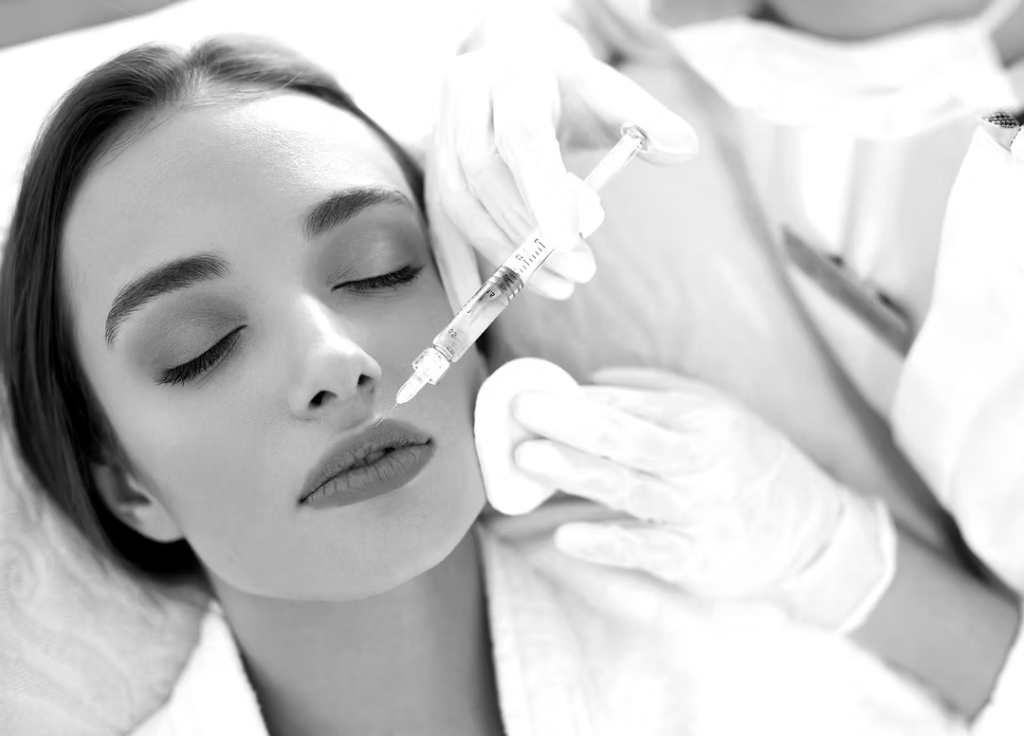

IV therapy has moved far beyond the hospital setting. Today, many people exploring proactive wellness are researching IV therapy in Carleton Place for hydration, vitamin delivery, antioxidant support, recovery, and personalized wellness goals.
For residents of Carleton Place, along with people coming from nearby Kanata and Arnprior, wellness drips may be appealing because they deliver fluids and selected nutrients directly into the bloodstream rather than relying on digestion.
But the popularity of IV therapy also creates confusion.
People often encounter online claims that IV drips can instantly increase energy, strengthen immunity, detox the body, improve skin, reverse a hangover, or optimize overall health. Some of these claims extend far beyond what current research can confidently support.
IV therapy has legitimate medical uses, including treating dehydration and delivering medications or nutrients when clinically necessary. The evidence for routine IV vitamin infusions in otherwise healthy individuals is much more limited. Cleveland Clinic notes that while IV vitamin therapy delivers nutrients efficiently, high quality evidence demonstrating broad general wellness benefits remains limited.
That distinction is important.
This guide explains what wellness IV therapy actually involves, the types of drips people may encounter, the potential benefits, what glutathione IV therapy is, typical costs, safety considerations, and what residents of Carleton Place should know before choosing a treatment.
What Is IV Therapy?
IV stands for intravenous, meaning directly into a vein.
During IV therapy, a small catheter is inserted into a vein, usually in the arm. A sterile solution then passes through the IV line into the bloodstream.
Depending on the clinical purpose, an IV solution may contain:
- Water and saline
- Electrolytes
- Vitamins
- Minerals
- Medications
- Antioxidants
- Other medically appropriate ingredients
Medical IV fluids are routinely used for hydration and to deliver medicines or nutrition when necessary.
Wellness IV therapy builds on the same delivery method but typically uses customized mixtures marketed around goals such as hydration, recovery, energy, or antioxidant support.
Why Does IV Delivery Matter?
When someone eats food or takes an oral supplement, nutrients pass through the gastrointestinal system before being absorbed.
IV therapy bypasses digestion.
That means the substances in the IV enter circulation directly.
Cleveland Clinic describes IV vitamin therapy as a more direct method of delivering measured nutrients because it avoids gastrointestinal absorption variability.
This is particularly medically useful when someone:
- Cannot absorb nutrients properly
- Is significantly dehydrated
- Cannot tolerate oral intake
- Requires medication through a vein
- Has a confirmed clinical deficiency requiring intravenous treatment
For a generally healthy person choosing an elective wellness drip, however, faster or more complete delivery does not automatically mean a meaningful health benefit.
More absorption is only useful if the substance and dose are actually needed.
Why Is IV Therapy Becoming Popular in Carleton Place?
Several factors help explain the interest in wellness IV therapy.
People increasingly want services that:
- Fit into busy schedules
- Offer personalized wellness plans
- Require minimal recovery time
- Support active lifestyles
- Complement other health and aesthetic routines
Residents searching for IV therapy near Carleton Place may be interested in hydration after travel, physically demanding activities, busy work schedules, or periods when they feel run down.
Nearby residents from Kanata and Arnprior may search for similar treatments as wellness services become increasingly available throughout the Ottawa Valley.
The important point is that an IV drip should complement appropriate healthcare rather than substitute for diagnosis, nutrition, sleep, exercise, or prescribed medical treatment.
What Is a Wellness Drip?
A wellness drip is a non-emergency IV infusion that contains fluids plus selected nutrients.
The exact formula differs considerably between providers.
A wellness drip might contain combinations of:
- Vitamin C
- B vitamins
- Magnesium
- Zinc
- Electrolytes
- Amino acids
- Glutathione
The ingredients should not simply be chosen because they sound healthy.
Each nutrient has biological effects, appropriate dosing ranges, medication interactions, and potential risks.
This is why screening before treatment matters.
Common Types of IV Therapy
There is no universal classification of wellness IVs, but several broad categories are commonly discussed.
Hydration IV Therapy
Hydration is one of the clearest functions of IV therapy.
IV fluids can rapidly restore fluids when someone is clinically dehydrated. Cleveland Clinic notes that IV rehydration is a common medical procedure that can help replenish fluid quickly.
For wellness settings, hydration drips are often marketed toward people who:
- Travel frequently
- Exercise intensely
- Have difficulty maintaining hydration
- Want fluid replenishment
However, most healthy individuals with normal digestive function can maintain hydration effectively by drinking fluids.
IV hydration should not automatically be considered superior to drinking water simply because it reaches the bloodstream more quickly.
Vitamin IV Therapy
Vitamin IV therapy adds vitamins or minerals to an intravenous fluid solution.
Common ingredients may include:
- Vitamin B12
- B complex vitamins
- Vitamin C
- Magnesium
- Calcium
Some formulations are marketed for fatigue, immunity, mental clarity, or general wellness.
Cleveland Clinic notes that nutrients in these drips do play genuine biological roles, but research demonstrating that IV administration provides broad wellness benefits to otherwise healthy individuals remains limited.
That distinction is essential for accurate health information.
A vitamin being necessary for health does not mean receiving more of it intravenously necessarily makes a healthy person healthier.
What Is a Myers’ Cocktail?
People researching IV therapy in Carleton Place may encounter the term Myers’ Cocktail.
This is a well-known intravenous nutrient formulation that typically contains some combination of:
- Magnesium
- Calcium
- Vitamin C
- Several B vitamins
WebMD notes that the formulation became popular through clinical use and anecdotal reports, but high quality scientific evidence supporting many of its promoted applications remains limited.
A wellness clinic should therefore avoid describing any generalized IV formula as a cure for fatigue, immune problems, migraines, or chronic health conditions unless the claim is supported for the specific medical indication.
What Is Glutathione?
Glutathione is a naturally occurring molecule made from three amino acids:
- Cysteine
- Glutamate
- Glycine
The body produces glutathione naturally.
It plays an important role in:
- Antioxidant defence
- Cellular redox balance
- Metabolic processes
- Normal detoxification pathways
- Protection against oxidative stress
Because glutathione is a genuine biological antioxidant, it has become popular in wellness and aesthetic settings.
That has also led to many exaggerated claims.
What Is Glutathione IV Therapy?
Glutathione IV therapy involves administering glutathione intravenously rather than obtaining it through the body’s own production, foods, or supplements.
It is sometimes promoted for:
- Antioxidant support
- General wellness
- Skin radiance
- Skin brightening
- Recovery
- Healthy aging
The evidence supporting these claims varies significantly.
Particularly important is the distinction between glutathione’s established role inside the human body and evidence that receiving supplemental glutathione intravenously provides a meaningful cosmetic or wellness benefit.
Those are not the same question.
Glutathione IV Therapy and Skin Health
Glutathione is frequently marketed as a skin brightening or skin lightening treatment.
This deserves careful discussion because the evidence is limited and safety concerns exist.
A recent review evaluating glutathione for skin lightening concluded that intravenous glutathione has limited and inconsistent evidence, lacks standardized dosing, and has been associated with serious adverse effects including liver dysfunction and severe allergic reactions.
Another systematic review of glutathione and skin aging published in 2026 similarly concluded that evidence for injectable glutathione remains limited and raised concerns about safety and lack of regulatory approval in some jurisdictions.
Therefore, IV glutathione should not be marketed as a guaranteed way to lighten skin, eliminate pigmentation, or create a permanent glow.
Can IV Therapy Improve Skin?
Skin health depends on a much broader set of factors than any single IV drip.
These include:
- Genetics
- Sun exposure
- Nutrition
- Sleep
- Hydration
- Smoking
- Hormones
- Skincare
- Medical conditions
- Age
Correcting dehydration can understandably make someone feel and sometimes look better temporarily.
Likewise, correcting a genuine nutritional deficiency may improve health.
But there is limited evidence that routine high dose vitamin IV therapy dramatically improves skin quality in otherwise healthy adults.
For people primarily concerned about:
- Wrinkles
- Pigmentation
- Acne
- Skin texture
- Loss of elasticity
a skin-specific consultation may be more useful than simply choosing a wellness drip based on advertising.
IV Therapy for Energy: Does It Work?
“Energy IVs” are among the most common wellness infusions.
These formulations often contain B vitamins because B vitamins play essential roles in normal energy metabolism. Cleveland Clinic notes that B vitamins help activate enzymes involved in energy production and other essential biological functions.
However, receiving extra B vitamins does not automatically create more energy if someone already has adequate levels.
Fatigue can have many causes, including:
- Poor sleep
- Stress
- Iron deficiency
- Thyroid disorders
- Nutritional deficiency
- Medication effects
- Depression
- Infection
- Other medical conditions
Persistent or unexplained fatigue should be medically evaluated rather than repeatedly treated with wellness IVs without understanding the cause.
IV Therapy for Immune Support
Wellness drips are often marketed as “immune boosting.”
Vitamin C, zinc, and other micronutrients certainly contribute to normal immune function.
However, that does not mean an IV containing those nutrients can prevent every cold, infection, or illness.
Cleveland Clinic emphasizes that many immune-related claims made for consumer IV vitamin therapy require better evidence.
A more accurate approach is to describe appropriate vitamins and minerals as supporting normal biological functions, rather than promising enhanced immunity or illness prevention.
IV Therapy for Recovery
Some people seek IV therapy after:
- Strenuous exercise
- Travel
- Illness
- Periods of poor hydration
When someone is genuinely dehydrated, intravenous fluid can correct dehydration efficiently.
However, recovery from exercise generally also depends on:
- Adequate nutrition
- Sleep
- Oral hydration
- Appropriate rest
- Protein intake
- Electrolyte balance
IV therapy should not be positioned as a replacement for those basics.
What Happens During an IV Therapy Appointment?
A professional appointment should begin with medical screening rather than immediately inserting an IV.
The provider may review:
- Health history
- Current medications
- Allergies
- Kidney function concerns
- Heart conditions
- Pregnancy status
- Existing supplements
- Wellness goals
The chosen IV formula should then be discussed.
Once treatment is considered appropriate, a trained healthcare professional inserts a catheter into a vein.
The infusion is delivered gradually while the patient is monitored.
How Long Does IV Therapy Take?
Session duration depends on:
- Volume of fluid
- Ingredients
- Infusion rate
- Patient tolerance
Many wellness infusions take roughly 30 to 60 minutes, although some can take longer.
Patients should never ask a provider to speed up an infusion simply for convenience.
Infusion rates can matter for safety and comfort.
Does IV Therapy Hurt?
Most discomfort occurs during catheter insertion.
People commonly describe:
- A brief pinch
- Mild pressure
- Temporary tenderness
Once the IV is properly positioned, the infusion itself should generally not be painful.
Pain, burning, swelling, or significant discomfort around the IV site should be reported immediately.
Is There Downtime?
Most people undergoing elective wellness IV therapy do not require meaningful downtime.
Possible temporary effects include:
- Small bruise at the IV site
- Tenderness
- Lightheadedness
- Minor irritation
People can generally return to normal activities afterward unless their provider advises otherwise.
How Much Does IV Therapy Cost in Carleton Place?
People frequently search:
IV therapy Carleton Place
IV therapy near me
IV therapy cost
Glutathione IV drip near me
Wellness drip near me
There is no universal price.
Cleveland Clinic reports that consumer IV vitamin sessions commonly start above roughly US$150, while specialty formulations can cost substantially more.
Canadian pricing varies considerably based on:
- Ingredients
- Dose
- Infusion duration
- Provider
- Location
- Medical consultation
- Whether laboratory testing is involved
Rather than publishing a generic number as though it were a clinic’s confirmed fee, patients should obtain current pricing directly from the provider.
What Should Be Included in the Price?
Before booking, patients should ask whether the quoted fee includes:
- Medical assessment
- IV supplies
- Nutrient formula
- Nursing or medical supervision
- Add-on ingredients
- Follow-up
- Taxes
- Laboratory testing, if needed
A low advertised starting price may not represent the final cost after optional ingredients are added.
Is IV Vitamin Therapy Safe?
IV therapy is a medical procedure.
Even though many sessions are elective, the route of administration carries real risks.
Cleveland Clinic identifies potential complications including:
- Infection
- Bruising
- Vitamin toxicity
- Medication interactions
- Embolism
- Problems related to excessive nutrient doses
It also advises extra caution for people with kidney disease, heart disease, high blood pressure, or pregnancy.
WebMD similarly notes risks including excessive vitamin dosing, electrolyte disturbances, kidney complications, fluid overload, and medication interactions.
Can You Get Too Many Vitamins Through an IV?
Yes.
The idea that “extra vitamins simply leave through urine” is an oversimplification.
Certain nutrients can be harmful at excessive doses.
Potential concerns include:
- Kidney stress
- Electrolyte imbalance
- Vitamin toxicity
- Abnormal heart rhythms
- Medication interactions
WebMD specifically notes that high vitamin C exposure can increase oxalate production and may create concerns for individuals at risk of kidney stones or with kidney disease.
More is not always better.
Who Should Be Particularly Careful With IV Therapy?
Anyone with a significant medical condition should discuss elective IV therapy with an appropriate healthcare professional first.
Particular caution may be warranted for people with:
- Kidney disease
- Heart disease
- High blood pressure
- Fluid restrictions
- Pregnancy
- Certain electrolyte disorders
- Medication interactions
Cleveland Clinic specifically highlights several of these groups when discussing consumer IV vitamin therapy.
Is IV Therapy Better Than Oral Vitamins?
Not necessarily.
IV administration reaches the bloodstream directly, so absorption is more immediate.
But the relevant question is not simply which route puts more vitamins into the blood.
The relevant question is:
Does the person need the nutrient, and does IV administration provide a meaningful advantage for their situation?
For someone with a documented absorption disorder, IV delivery may have a genuine medical advantage.
For someone who is healthy and eats a balanced diet, routine intravenous supplementation may provide little additional value.
Is IV Hydration Better Than Drinking Water?
For significant medical dehydration, IV fluids can be necessary and effective.
For ordinary everyday hydration, most healthy people can rehydrate by drinking fluids.
An IV requires:
- Needle insertion
- Medical supplies
- Professional administration
- Additional cost
- Exposure to IV-related risks
Therefore, it should not automatically replace normal oral hydration.
IV Therapy vs Glutathione IV
These terms are related but not interchangeable.
IV therapy describes the delivery method.
Glutathione IV refers to one particular ingredient that may be administered using that method.
A hydration IV might contain no glutathione at all.
Likewise, a vitamin infusion may contain several vitamins and minerals without antioxidant ingredients.
Patients should always know exactly what is being infused.
What Makes a Good IV Therapy Consultation?
A thoughtful consultation should cover more than what flavour or drip name sounds appealing.
Patients should be able to ask:
- What exactly is in the IV?
- What dose is being given?
- Why is each ingredient recommended?
- What evidence supports the proposed benefit?
- Are there medication interactions?
- Are laboratory tests needed?
- What side effects are possible?
- Who is supervising treatment?
- What happens if an adverse reaction occurs?
- How frequently is treatment actually necessary?
Clear answers are more valuable than trendy drip names.
Marketing Claims to Approach Carefully
Consumers should be cautious when wellness IVs promise to:
- Cure chronic disease
- Instantly “detox” the body
- Prevent all illness
- Permanently lighten skin
- Reverse aging
- Guarantee weight loss
- Replace proper nutrition
- Cure hangovers
- Eliminate chronic fatigue without assessment
Cleveland Clinic stresses that consumer IV therapy should not be viewed as a miracle cure or replacement for healthy diet, sleep, exercise, stress management, and prescribed treatments.
IV Therapy and “Detox” Claims
The body already has sophisticated systems for processing and eliminating waste, particularly through the:
- Liver
- Kidneys
- Lungs
- Gastrointestinal system
Some IV nutrients participate in normal metabolic pathways, but that is different from proving that a wellness drip broadly “flushes toxins” from a healthy person.
Claims should therefore focus on accurately described physiological functions rather than vague detox promises.
Frequently Asked Questions About IV Therapy in Carleton Place
What is IV therapy?
IV therapy delivers fluids or other medically appropriate substances directly into a vein and therefore into circulation.
What is a wellness drip?
A wellness drip is an elective IV formulation that may contain fluids, vitamins, minerals, antioxidants, or other selected ingredients.
Does IV therapy hydrate faster than drinking water?
IV fluids enter circulation directly and can correct significant dehydration rapidly. Most healthy individuals, however, can normally maintain hydration through oral fluids.
Does IV vitamin therapy increase energy?
Certain vitamins are essential for energy metabolism, but strong evidence that routine IV vitamins increase energy in people who are already nutritionally sufficient is limited.
Does IV therapy strengthen the immune system?
Nutrients such as vitamin C and zinc support normal immune function, but evidence supporting broad “immune boosting” claims from wellness IVs remains limited.
What is glutathione IV therapy?
It involves delivering glutathione, a naturally occurring antioxidant molecule, through an intravenous infusion.
Does glutathione IV make skin brighter?
Evidence for cosmetic IV glutathione is limited and inconsistent, and published reviews identify potentially serious safety concerns. It should not be presented as a guaranteed skin-brightening treatment.
How long does an IV therapy appointment take?
Many elective wellness infusions take approximately 30 to 60 minutes, although duration varies with the formula and infusion rate.
Is IV therapy painful?
Most discomfort is associated with initial catheter insertion and is generally brief.
Is there downtime?
Most people resume normal activities after treatment, although bruising or tenderness at the IV site can occur.
How much does IV therapy cost in Carleton Place?
Pricing varies based on formulation, dose, provider, and treatment complexity. Consumers should obtain current pricing directly from the provider.
How often should someone get IV therapy?
There is no universal wellness schedule. Frequency should depend on clinical need, ingredients, health history, and professional assessment rather than a generic recurring package.
Is IV therapy safe?
It can be performed safely by qualified professionals, but risks include infection, bruising, nutrient toxicity, medication interactions, fluid overload, electrolyte disturbances, and rare IV complications.
Why People in Carleton Place Are Exploring Personalized Wellness
Interest in IV therapy fits within a larger shift toward personalized wellness.
People increasingly want to understand:
- Hydration
- Nutrition
- Recovery
- Antioxidants
- Healthy aging
- Preventative care
Residents of Carleton Place, along with those in Kanata and Arnprior, may see IV therapy as one potential component of that broader approach.
The most responsible use of IV therapy, however, is not based on the idea that everyone needs regular vitamin infusions.
It is based on selecting appropriate treatment for an individual after understanding their health, goals, medications, nutritional status, and potential risks.
Final Thoughts: Is IV Therapy Worth Considering in Carleton Place?
IV therapy is a legitimate medical delivery method with clear uses for hydration, medications, and treatment of certain nutritional or medical conditions.
Wellness IV therapy applies that delivery system to elective infusions containing fluids, vitamins, minerals, antioxidants, and other ingredients.
For some individuals in Carleton Place, a carefully selected IV treatment may be worth discussing as part of a personalized wellness plan. Hydration is one of the clearest benefits when someone genuinely requires rapid fluid replacement, while IV therapy can also be clinically useful when oral nutrient absorption is impaired.
At the same time, expectations should remain grounded.
Research supporting many broad claims made about consumer vitamin IVs remains limited. A wellness drip should not be presented as a substitute for good nutrition, sleep, exercise, appropriate medical care, or treatment of an underlying health condition.
Glutathione IV therapy deserves particular caution. Although glutathione itself plays an important antioxidant role in human physiology, current evidence does not justify promising reliable cosmetic skin brightening from intravenous glutathione, and published reviews have raised significant safety concerns.
For people in Carleton Place, Kanata, and Arnprior, the best approach is therefore an informed one: know exactly what is in the drip, understand why each ingredient is being recommended, discuss medical history and medications, and choose treatment based on realistic goals rather than exaggerated wellness claims.
Used thoughtfully and under appropriate professional supervision, IV therapy can be explored as one component of an individualized wellness strategy—not as a shortcut to perfect health.