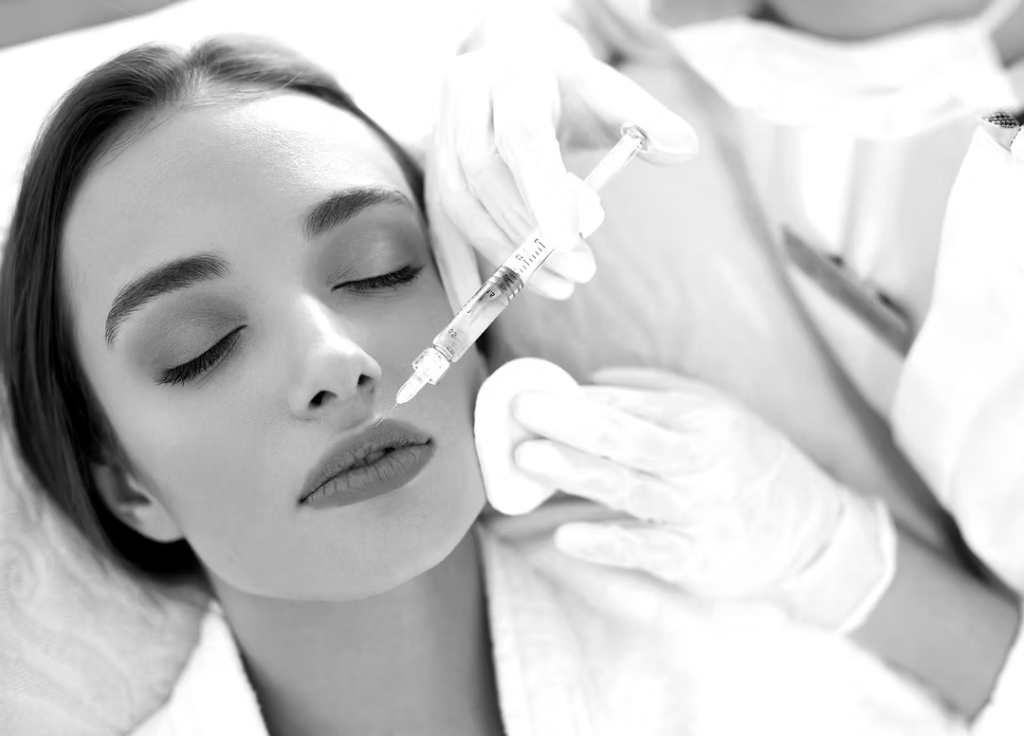


Dullness, dehydration, rough texture, visible pores, and early signs of aging are some of the most common reasons people start looking for professional facial treatments. For many individuals in Kanata, the challenge is finding something that improves the skin without requiring a long recovery period or a highly aggressive procedure.
That is one reason HydraFacial has become such a popular option.
HydraFacial is a non-invasive treatment that combines cleansing, exfoliation, extraction, and hydration in one session. The treatment can also be customized with boosters and other add-ons depending on the individual’s skin concerns and goals.
For people in Kanata, as well as nearby Nepean and Barrhaven, HydraFacial may be especially appealing when the goal is to make tired-looking skin appear fresher, smoother, more hydrated, and more radiant without significant downtime.
This guide explains how HydraFacial works for aging and dull skin, what results may look like, how much treatment can cost, how often someone may want to schedule it, and what first-time patients should know.
What Is HydraFacial?
HydraFacial is a multi-step facial treatment performed with a specialized handheld device.
The treatment generally combines:
- Cleansing
- Exfoliation
- Light chemical resurfacing
- Pore extraction
- Hydration
- Serum infusion
HydraFacial’s proprietary Vortex-Fusion technology is designed to cleanse, exfoliate, extract, and hydrate in a continuous process. Depending on the treatment plan, providers may also customize sessions with targeted boosters, LED therapy, or lymphatic drainage.
Unlike more aggressive resurfacing treatments, HydraFacial is designed to improve the appearance of the skin while keeping downtime minimal.
Why Dull Skin Develops
Dull-looking skin is rarely caused by one factor.
It can develop from a combination of:
- Dead skin buildup
- Dehydration
- Environmental exposure
- Slower cellular turnover
- Sun damage
- Congested pores
- Aging
- Skincare habits
As the skin ages, changes in hydration, collagen, elasticity, and cell turnover can make it look less reflective and vibrant.
This is why someone may describe their skin as:
- Tired
- Flat
- Rough
- Dry
- Uneven
- Less radiant
A treatment like HydraFacial is often chosen because it addresses several of these surface-level concerns in one appointment.
Why Aging Skin Can Look Duller
Aging skin undergoes gradual structural and functional changes.
Over time, the skin may:
- Become drier
- Lose some elasticity
- Show fine lines more easily
- Develop uneven texture
- Accumulate visible sun damage
- Recover more slowly from environmental stress
HydraFacial does not reverse biological aging, but it may improve the visible appearance of some of these concerns by exfoliating the skin, clearing congestion, and adding hydration. HydraFacial lists fine lines, wrinkles, dryness, uneven tone, texture, clogged pores, redness, and visible signs of aging among the concerns its treatments can be customized to address.
How HydraFacial Works for Aging and Dull Skin
The treatment can be understood in several stages.
Step 1: Cleansing
Surface debris, makeup residue, and excess oil are removed.
This prepares the skin for deeper exfoliation.
Step 2: Exfoliation
HydraFacial removes dead surface cells that can contribute to a rough or dull appearance.
Exfoliation helps reveal smoother-looking skin underneath.
Step 3: Extraction
The device uses suction to remove material from congested pores.
This can be particularly useful for individuals concerned about:
- Blackheads
- Oil buildup
- Enlarged-looking pores
- Skin congestion
Cleveland Clinic describes HydraFacial as a three-in-one service that exfoliates, extracts, and infuses serums into the skin.
Step 4: Hydration
Hydrating ingredients are infused into the skin.
This can help the skin appear:
- Plumper
- Smoother
- Fresher
- More reflective
Step 5: Customization
Depending on the provider and the treatment chosen, additional boosters or modalities may be added to target specific concerns.
HydraFacial Benefits for Dull Skin
One of HydraFacial’s biggest strengths is that it can address multiple causes of dullness at once.
Improved Radiance
Removing surface buildup can help light reflect more evenly from the skin.
This often creates the “glow” people associate with HydraFacial.
Better Hydration
Dehydrated skin can look flat and emphasize fine lines.
Hydration can make the skin look smoother and more refreshed.
Cleaner Pores
Removing oil and congestion may improve overall clarity.
Smoother Texture
Exfoliation can reduce the roughness associated with accumulated surface cells.
More Even Appearance
When texture and hydration improve together, the complexion often appears more uniform.
HydraFacial’s own results page reports immediate improvements in skin quality, tone, and texture after treatment, while also showing continued improvements with repeated treatments.
HydraFacial Benefits for Aging Skin
HydraFacial is not a replacement for Botox, fillers, or regenerative treatments, but it can play a different role.
It may help improve the appearance of:
- Fine superficial lines
- Dehydration
- Rough skin
- Enlarged-looking pores
- Uneven tone
- General dullness
HydraFacial reports clinically measured improvements across several cosmetic outcomes, including visible fine lines, tone, texture, pore appearance, and hydration in treatment studies.
The important distinction is that HydraFacial mainly focuses on skin quality and surface appearance.
It does not provide the same effect as treatments designed to:
- Relax facial muscles
- Replace volume
- Reshape facial contours
- Treat deep structural aging
Can HydraFacial Reduce Fine Lines?
HydraFacial may make some fine lines appear softer, especially when dehydration and rough texture are contributing factors.
Improved hydration can create a temporary plumping effect, while exfoliation can make the skin surface appear smoother.
HydraFacial reports a visible reduction in fine lines among participants in its clinical results data.
However, deeper wrinkles caused by muscle activity or substantial collagen loss may require a different treatment approach.
Can HydraFacial Improve Skin Firmness?
HydraFacial can make skin appear healthier and more hydrated, which may contribute to a firmer-looking appearance.
However, it should not be marketed as a major skin-tightening procedure on its own.
HydraFacial’s official treatment information notes firmer-skin improvements in studies where the treatment was paired with technologies such as radiofrequency or focused ultrasound. That means those results should not automatically be attributed to HydraFacial alone.
For someone primarily concerned with significant laxity, a skin tightening consultation may be more appropriate.
What Does HydraFacial Feel Like?
Most people describe the treatment as comfortable.
The device moves across the skin while performing exfoliation, suction, and serum delivery.
Possible sensations include:
- Coolness
- Light suction
- Gentle pressure
- Mild tingling during exfoliation
The treatment is generally not considered painful.
How Long Does a HydraFacial Take?
Treatment time depends on the version selected and any add-ons.
A typical session may take approximately 30 to 60 minutes.
Longer versions may include:
- Boosters
- LED therapy
- Additional extraction time
- Other enhancements
This makes HydraFacial relatively easy to fit into a workday or weekend schedule.
HydraFacial Before and After: What Should Someone Expect?
One of HydraFacial’s biggest advantages is that many people notice visible improvement quickly.
Immediately After Treatment
The skin may appear:
- Brighter
- Smoother
- More hydrated
- Cleaner
- More radiant
HydraFacial states that changes in skin quality, tone, and texture may be visible after a single treatment.
During the Following Days
The skin may continue to feel smoother and more hydrated.
Some people may experience temporary mild redness or sensitivity.
With Regular Treatments
Consistent sessions may help maintain:
- Hydration
- Pore clarity
- Smoother texture
- Radiance
Results vary based on skin type, skincare habits, and treatment frequency.
How Long Do HydraFacial Results Last?
There is no single duration that applies to everyone.
The immediate glow may be most noticeable shortly after treatment.
Longer-term benefits depend on:
- Skin type
- Home skincare
- Sun exposure
- Hydration
- Frequency of treatments
- Individual skin concerns
HydraFacial itself recommends treatment frequency based on individual needs rather than promising a fixed duration.
How Often Should Someone Get a HydraFacial?
This is one of the most frequently searched questions.
HydraFacial says treatment frequency depends on the individual’s skin and goals. Many clients choose approximately one treatment per month, while others may prefer every two to three months. The company also notes that some people receiving intensive treatment may undergo sessions more frequently.
For many people with dull or aging skin, a practical routine may look like:
Monthly Treatment
Often chosen for consistent maintenance.
Every Two to Three Months
May suit people who want occasional refreshment rather than intensive maintenance.
Before an Event
Some people book HydraFacial shortly before:
- Weddings
- Professional photography
- Vacations
- Celebrations
- Important events
Because temporary redness is possible, it is sensible not to assume every person will look event-ready immediately after treatment.
Is Monthly HydraFacial Necessary?
No.
Monthly treatment is a common option, but it is not medically required.
Someone with relatively balanced skin may prefer less frequent treatments.
Someone with recurring congestion or very dry skin may choose a more regular schedule.
Treatment frequency should reflect:
- Skin concerns
- Budget
- Home routine
- Treatment response
- Professional recommendation
A good provider should not automatically recommend the most frequent schedule if the skin does not require it.
HydraFacial Cost in Kanata
Cost is another major consideration.
A current Kanata provider advertises a Signature HydraFacial at $200 and a longer clarifying version at $275, with optional add-ons priced separately.
More broadly, consumer health references place HydraFacial treatments around $150 to $350 per session, depending on the provider and treatment level.
Actual cost can depend on:
- Treatment type
- Session duration
- Booster selection
- LED treatment
- Additional extraction
- Provider pricing
- Local market
Patients should request current pricing directly from the clinic rather than assuming every HydraFacial costs the same.
Why Do Some HydraFacials Cost More?
Different versions of the treatment may include additional features.
A more expensive treatment may incorporate:
- Customized booster serums
- LED light treatment
- Extended extractions
- Lymphatic drainage
- Additional treatment time
Patients should ask what is actually included before comparing prices.
A lower price does not necessarily mean better value if the treatments are not equivalent.
Is There Downtime After HydraFacial?
One of the biggest advantages is minimal downtime.
Most people can return to normal daily activities immediately after treatment.
Possible temporary effects include:
- Mild redness
- Slight sensitivity
- Temporary tingling
Verywell Health notes that side effects are generally mild and temporary and may include slight redness or increased sun sensitivity.
Can Someone Wear Makeup After HydraFacial?
Many people are able to resume normal activities quickly, but specific skincare and makeup recommendations should come from the treating provider.
The skin may be temporarily more sensitive after exfoliation.
Patients should follow post-treatment instructions and avoid introducing irritating products too quickly.
Sun Protection After HydraFacial
Sun protection is important for every skincare routine, especially following exfoliation.
A broad-spectrum sunscreen can help protect the skin from UV-related:
- Pigmentation
- Premature aging
- Collagen damage
- Uneven tone
Any facial intended to improve aging skin should be supported by consistent sun protection at home.
Is HydraFacial Suitable for Sensitive Skin?
HydraFacial can often be customized for different skin types.
However, “suitable for most skin types” does not mean appropriate during every active skin condition.
People with:
- Severe irritation
- Active rash
- Significant sunburn
- Certain inflammatory skin conditions
- Recent use of particular medications
should discuss suitability before treatment.
Verywell Health notes that people using medications such as isotretinoin or those with certain skin conditions should consult a healthcare provider before treatment.
HydraFacial for Acne-Prone Skin
HydraFacial can help with surface congestion and pore clearing.
Extraction and exfoliation may benefit some people with:
- Blackheads
- Oil buildup
- Mild congestion
However, severe or inflammatory acne should be properly assessed.
HydraFacial should not be presented as a universal cure for acne.
HydraFacial vs Traditional Facial
A traditional facial may involve:
- Manual cleansing
- Steam
- Masks
- Massage
- Manual extraction
- Topical skincare
HydraFacial uses a device-based approach to combine exfoliation, suction, and serum infusion.
The key difference is the standardized technology and continuous multi-step process.
HydraFacial vs Chemical Peel
Chemical peels typically provide stronger chemical exfoliation.
They may be more appropriate when someone wants to address:
- Pigmentation
- Certain acne concerns
- More significant sun damage
- Texture irregularities
HydraFacial is usually chosen when the priority is:
- Hydration
- Gentle exfoliation
- Pore cleansing
- Immediate radiance
- Minimal downtime
The two treatments are therefore not direct substitutes for every skin concern.
HydraFacial vs Botox for Aging Skin
Botox primarily treats dynamic wrinkles by reducing muscle activity.
HydraFacial primarily improves:
- Surface texture
- Hydration
- Pore appearance
- Radiance
Someone concerned about forehead lines caused by repeated eyebrow movement may therefore have different needs from someone whose primary problem is dullness and dehydration.
HydraFacial vs PRP or PRF
PRP and PRF are regenerative treatments using the patient’s own blood components.
Their goal is typically to stimulate tissue processes related to repair and collagen.
HydraFacial is different.
It focuses primarily on:
- Cleansing
- Exfoliation
- Extraction
- Hydration
It can therefore be useful as a maintenance facial even when someone is also pursuing other regenerative aesthetic treatments.
Who May Be a Good Candidate for HydraFacial?
HydraFacial may appeal to people who:
- Have dull skin
- Want better hydration
- Have mild congestion
- Want smoother texture
- Prefer minimal downtime
- Want regular professional skin maintenance
- Are noticing mild early signs of aging
A professional consultation should still determine whether treatment is suitable.
Who Should Be More Cautious?
Someone should discuss treatment carefully if they have:
- Active skin infection
- Significant sunburn
- Severe irritation
- Certain inflammatory skin conditions
- Recent aggressive skin treatments
- Medications that affect skin sensitivity
Pregnancy considerations should also be discussed because HydraFacial may involve ingredients such as salicylic or glycolic acids depending on the protocol.
How to Prepare for a HydraFacial
Preparation instructions vary.
A provider may recommend temporarily avoiding certain strong skincare products before treatment, depending on the individual’s routine.
Patients should disclose:
- Retinoid use
- Prescription acne medication
- Recent peels
- Recent laser treatments
- Active rashes
- Skin allergies
- Other facial procedures
This helps the provider customize treatment safely.
Supporting HydraFacial Results at Home
Professional treatments work best alongside a consistent home routine.
For aging or dull skin, a simple foundation may include:
- Gentle cleansing
- Moisturizer
- Appropriate antioxidant products
- Broad-spectrum sunscreen
- Other evidence-based skincare recommended for the individual
A HydraFacial can refresh the skin, but it does not replace daily skincare.
Why People in Kanata Are Choosing HydraFacial
HydraFacial fits well with the way many people now approach aesthetics.
Instead of waiting until skin concerns become severe, people increasingly focus on:
- Maintenance
- Prevention
- Hydration
- Healthy-looking skin
- Gradual improvements
For residents of Kanata, along with nearby Nepean and Barrhaven, this can make HydraFacial attractive as a routine professional facial rather than a major corrective procedure.
Frequently Asked Questions About HydraFacial in Kanata
What does HydraFacial do?
HydraFacial combines cleansing, exfoliation, extraction, and hydration in a multi-step treatment.
Is HydraFacial good for aging skin?
It may help improve visible concerns such as dullness, dehydration, texture, pore appearance, and superficial fine lines. It does not replace procedures designed for significant laxity, volume loss, or muscle-related wrinkles.
Does HydraFacial help dull skin?
Yes. Exfoliation and hydration can help skin appear brighter and more radiant.
How soon are results visible?
Many people notice improved skin quality and radiance immediately after one treatment.
How often should someone get a HydraFacial?
Many clients choose approximately once a month, while others schedule treatment every two to three months depending on goals and skin needs.
Is monthly HydraFacial too often?
Not necessarily, but monthly treatment is not required for everyone. Frequency should be individualized.
How much does HydraFacial cost in Kanata?
A current Kanata provider lists a Signature HydraFacial at $200 and a clarifying treatment at $275, while broader consumer estimates commonly range from approximately $150 to $350.
How long does treatment take?
Most sessions take approximately 30 to 60 minutes.
Is HydraFacial painful?
Most people find the treatment comfortable, although individual sensitivity varies.
Is there downtime?
Downtime is generally minimal. Temporary redness or sensitivity can occur.
Does HydraFacial tighten skin?
HydraFacial may make hydrated skin appear plumper and healthier, but it should not be considered a major standalone skin-tightening treatment.
Can HydraFacial remove deep wrinkles?
No. Deeper wrinkles may involve muscle movement, collagen loss, or structural changes that require different treatment options.
Is HydraFacial good before an event?
Many people choose it because improvements can be visible quickly and downtime is usually limited. Anyone with sensitive skin should still allow enough time for temporary redness to resolve.
Final Thoughts: Is HydraFacial Worth It for Aging and Dull Skin in Kanata?
For someone whose main concerns are dullness, dehydration, rough texture, visible pores, or mild early signs of aging, HydraFacial offers a practical, non-invasive way to refresh the appearance of the skin.
Its main strength is versatility.
In a single session, HydraFacial can cleanse, exfoliate, extract congestion, and infuse the skin with hydrating products. The treatment is also customizable depending on individual skin concerns.
Results can often be seen quickly, with people reporting smoother, brighter, and more hydrated-looking skin after treatment. HydraFacial’s published results also report improvements in visible fine lines, tone, texture, pore appearance, and hydration across treatment studies.
For residents of Kanata, and those travelling from nearby Nepean and Barrhaven, treatment frequency should be personalized rather than automatically scheduled every month. Some people may benefit from regular monthly maintenance, while others may be satisfied with a session every few months.
Most importantly, HydraFacial should be chosen for what it does well.
It is an excellent option for surface rejuvenation, hydration, cleansing, and radiance. It is not intended to replace Botox for muscle-related wrinkles, fillers for significant volume loss, or stronger resurfacing treatments for advanced pigmentation and skin damage.
When incorporated into an appropriate skincare plan, however, HydraFacial can be a valuable way to help aging or tired-looking skin appear cleaner, smoother, healthier, and more refreshed.