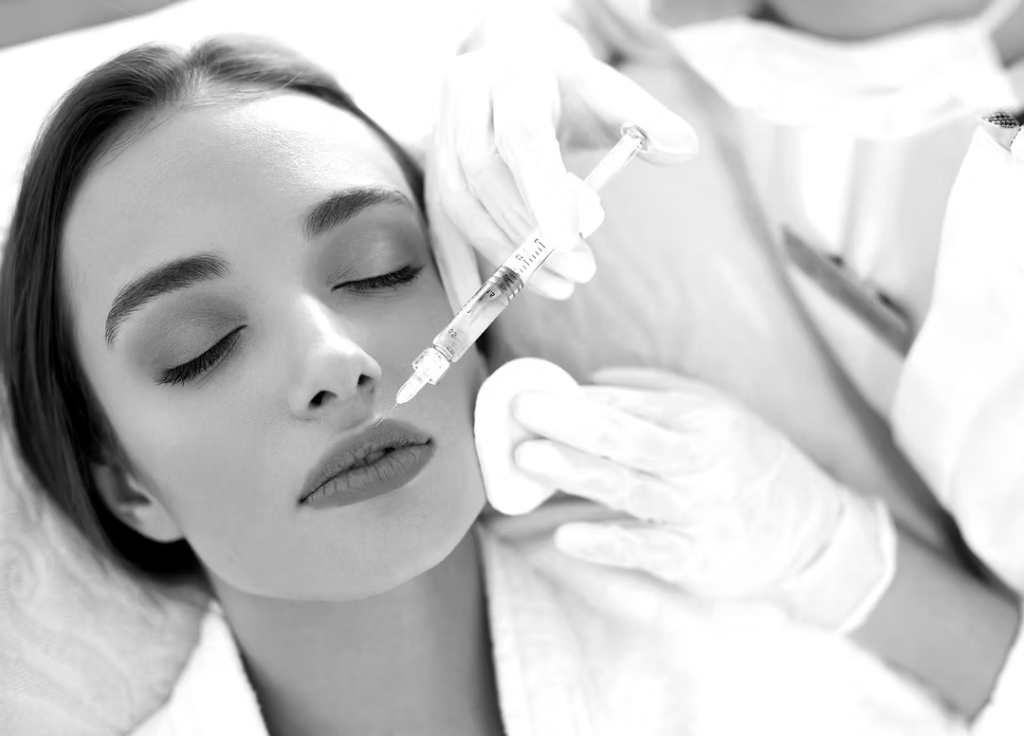

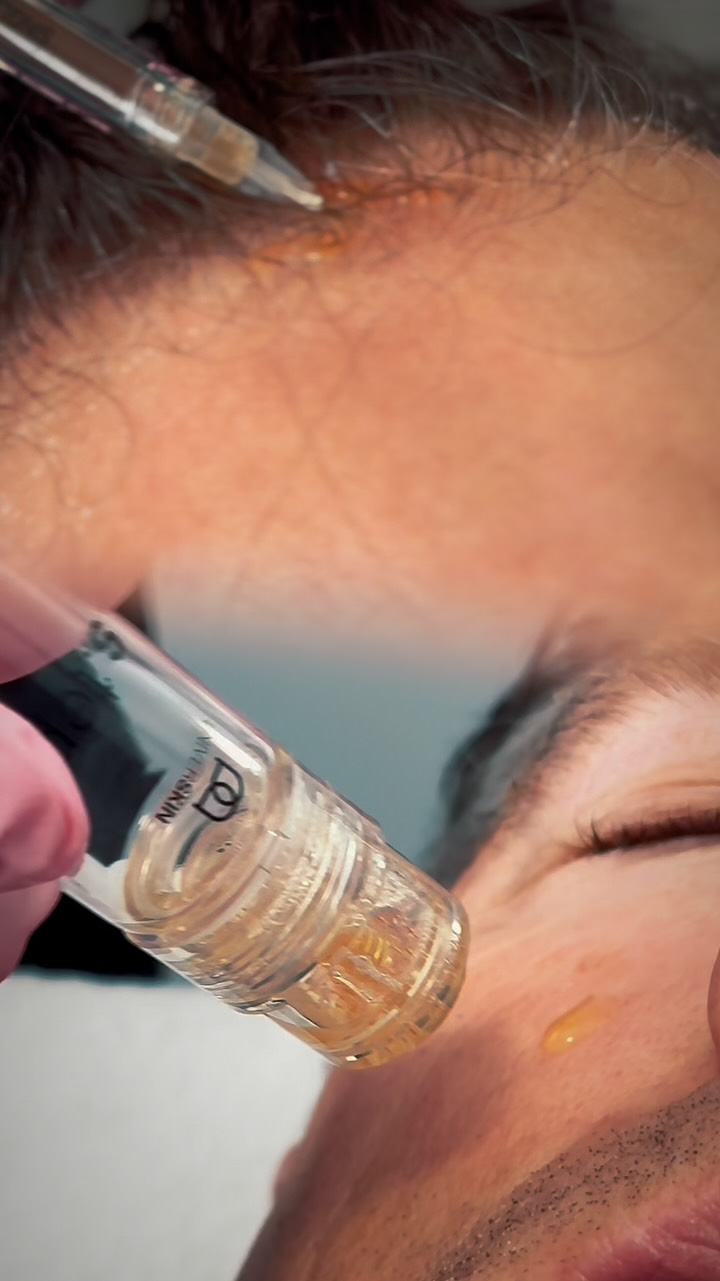
Forehead lines are among the most recognizable signs of facial aging. For some people, horizontal forehead creases begin appearing only when the eyebrows are raised. For others, those lines gradually remain visible even when the face is completely relaxed.
As interest in non surgical facial rejuvenation continues to grow, many individuals in Manotick, as well as nearby Barrhaven and Nepean, are researching Botox as a way to soften forehead wrinkles while maintaining a natural looking appearance.
Botox is a type of neuromodulator that temporarily reduces activity in selected muscles. When used appropriately on the forehead, it can soften expression lines created by repeated movement of the frontalis muscle. Botulinum toxin is widely used cosmetically for forehead creases, frown lines and crow’s feet.
For first time patients, however, the biggest questions are usually practical. How much does Botox cost? How long does forehead Botox last? Will the forehead look frozen? How quickly will results appear? What happens during treatment? And what risks should someone understand before booking an appointment?
This guide answers those questions while explaining what individuals considering Botox for forehead lines in Manotick should realistically expect.
What Is Botox?
Botox Cosmetic is the brand name for a formulation of onabotulinumtoxinA, a botulinum toxin type A neuromodulator.
It works by temporarily interfering with nerve signals that tell specific muscles to contract. When the targeted muscle contracts less strongly, the skin above it is repeatedly folded less aggressively, allowing expression lines to appear smoother.
Botox does not remove skin, replace lost facial volume or permanently change facial muscles.
Its effects are temporary.
As nerve activity gradually returns, the treated muscles begin moving normally again and expression lines may become more visible.
Why Do Forehead Lines Develop?
Forehead lines are strongly influenced by the frontalis muscle, which raises the eyebrows.
Every time someone:
- Raises their eyebrows
- Looks surprised
- Opens their eyes widely
- Expresses concern
the frontalis contracts and folds the skin horizontally.
For younger individuals, these creases generally disappear once the forehead relaxes.
Over years of repeated movement, combined with changes in collagen, elasticity and skin thickness, the lines can eventually become visible even at rest.
These are often described as static forehead lines.
Botox is most directly effective against the muscular component of these wrinkles.
Dynamic vs Static Forehead Lines
Understanding this distinction can help first time patients form realistic expectations.
Dynamic Forehead Lines
These appear mainly when the eyebrows move.
Botox can often soften them significantly because muscle movement is their primary cause.
Static Forehead Lines
These remain visible while the face is relaxed.
Botox may still improve their appearance by reducing repeated folding, but established lines may not completely disappear after one treatment.
Skin quality, sun damage and collagen loss also influence static lines.
This is why an appropriate cosmetic consultation should assess more than simply the number of visible wrinkles.
Why Forehead Botox Requires Careful Treatment
Treating the forehead is not simply a matter of injecting the visible wrinkle.
The frontalis muscle has an important function: raising the eyebrows.
Reducing its activity too aggressively can potentially make the brows feel heavy or alter eyebrow position.
Official prescribing information therefore emphasizes evaluating forehead size, muscle activity and injection placement carefully. For the approved forehead line protocol, Botox Cosmetic labeling recommends treating forehead lines together with glabellar lines to help minimize the potential for brow ptosis.
This is one reason choosing an appropriately qualified injector with a strong understanding of facial anatomy matters.
How Does Botox Smooth Forehead Lines?
When Botox is injected into selected portions of the frontalis muscle, it reduces acetylcholine signaling between the nerves and muscle.
The muscle can no longer contract as strongly.
This means the forehead skin is repeatedly folded less aggressively.
Over the following days, patients may notice:
- Softer horizontal lines
- Smoother looking skin
- Less pronounced creasing when raising the eyebrows
- A more rested facial appearance
The goal of thoughtful treatment is usually controlled relaxation, rather than completely eliminating every trace of facial expression.
Will Forehead Botox Make the Face Look Frozen?
This is one of the most common concerns among first time patients.
Botox itself does not automatically create a frozen appearance.
The final result depends heavily on:
- Dose
- Injection placement
- Facial anatomy
- Muscle strength
- Patient goals
Someone who wants significant movement preserved may have different treatment goals than someone seeking maximum wrinkle reduction.
Natural looking cosmetic treatment generally aims to soften excessive movement without making facial expression appear unnatural.
What Happens During a First Botox Consultation?
The consultation should happen before treatment decisions are finalized.
A provider may evaluate the forehead while the patient is both relaxed and making expressions.
They may ask the patient to:
- Raise the eyebrows
- Frown
- Relax completely
- Squint
This allows the provider to observe how the frontalis and surrounding muscles interact.
The consultation should also cover:
- Previous cosmetic treatments
- Health conditions
- Current medications
- Allergies
- Pregnancy or breastfeeding
- Desired outcome
- Previous reactions to neuromodulators
First time patients should use the consultation to explain what they do and do not want.
Someone wanting very subtle softening should communicate that clearly.
How Many Units of Botox Are Used for Forehead Lines?
There is no universal dose appropriate for every face.
Botox Cosmetic’s prescribing information lists an approved total dose of 40 units when forehead lines and glabellar lines are treated together, consisting of 20 units for the forehead and 20 units for the glabellar region.
However, aesthetic treatment plans are individualized in clinical practice.
The amount used may depend on:
- Forehead size
- Muscle strength
- Sex and anatomy
- Existing eyebrow position
- Severity of wrinkles
- Desired movement
- Previous treatment response
Patients should not choose their dose by copying another person’s treatment plan from social media.
How Much Does Forehead Botox Cost in Manotick?
Botox is frequently priced per unit, although some practices price by treatment area.
Current Ottawa area pricing commonly falls around $11.50 to $15 per Botox unit, based on publicly advertised local pricing.
The total cost therefore depends heavily on the number of units used.
For example, if a treatment plan involved 20 units at $12 per unit, the product cost would be approximately $240. But this is only an illustration, not a recommended dose or guaranteed local price.
Treatment of the forehead may also involve the glabellar region between the eyebrows, which changes the total number of units and overall cost.
Patients searching for:
Botox cost Manotick
Botox near me
Forehead Botox cost
Botox treatments near me
should therefore ask for an individualized quote rather than assuming that every forehead treatment has a fixed price.
What Determines Botox Cost?
Several factors influence the final treatment price.
Number of Units
More units generally mean a higher total cost when pricing is unit based.
Treatment Areas
Treating the forehead alone differs from treating the forehead, frown lines and crow’s feet together.
Muscle Strength
Some individuals have stronger facial muscles and may require a different dosing strategy.
Injector Expertise
Cosmetic injectable pricing can also reflect professional qualifications, clinical experience and geographic location. The American Society of Plastic Surgeons notes that botulinum toxin cost varies according to treatment requirements, practitioner expertise and location.
How Quickly Does Forehead Botox Start Working?
Botox does not normally produce its full cosmetic effect immediately.
Some patients begin noticing changes within several days.
The American Society of Plastic Surgeons notes that results may appear within a few days, with the full effect becoming apparent within approximately a week.
Other clinical guidance commonly allows up to around two weeks for the final cosmetic effect to settle.
This is why patients should avoid judging their result the morning after treatment.
A Typical Botox Results Timeline
Days 1 to 2
There may be little visible change.
Small injection marks or mild redness can occur temporarily.
Days 3 to 5
Muscle activity may begin decreasing.
Forehead lines can begin appearing softer.
Around One Week
The cosmetic effect becomes considerably more noticeable for many patients.
Around Two Weeks
Most providers consider this an appropriate period for assessing the settled result.
Any planned follow up should generally happen according to the treating provider’s recommendations.
How Long Does Forehead Botox Last?
This is one of the most important questions for patients researching Botox in Manotick.
For cosmetic botulinum toxin treatments, results typically last approximately three to four months, although individual responses vary.
Some people may notice movement returning earlier.
Others may maintain noticeable improvement somewhat longer.
Duration can be influenced by:
- Individual metabolism
- Muscle strength
- Dose
- Treatment pattern
- Previous Botox use
- Biological variability
Botox should therefore not be presented as a permanent wrinkle treatment.
What Happens When Botox Wears Off?
As the effect fades, nerve signaling gradually returns.
Patients may notice:
- More forehead movement
- Expression lines gradually returning
- Eyebrow movement returning to baseline
Stopping Botox does not cause the forehead to suddenly become more wrinkled than it was before treatment. Mayo Clinic notes that forehead muscle movement returns and wrinkles generally return to their pre treatment appearance after Botox is discontinued.
Will Repeated Botox Prevent Forehead Wrinkles?
Regular neuromodulator treatment can reduce repeated folding of the skin while the medication is active.
For someone with predominantly dynamic wrinkles, reducing that movement may help keep expression lines less visible during treatment.
However, aging continues.
Botox does not stop:
- Collagen loss
- Sun damage
- Changes in skin elasticity
- Volume loss
- Other biological aging processes
Long term forehead rejuvenation may therefore involve appropriate skincare and sun protection in addition to injectable treatment.
What Should First Time Patients Expect During the Appointment?
Actual injections usually take only a short period.
The practitioner may first:
- Examine facial movement
- Mark treatment points
- Clean the skin
- Discuss the agreed treatment plan
A very fine needle is then used to place small amounts of Botox into selected muscles.
The number of injections varies according to the treatment plan.
Patients may feel brief pinches or pressure.
Does Forehead Botox Hurt?
Most people tolerate forehead injections well.
The needles used for cosmetic Botox are very small.
Possible sensations include:
- A quick pinch
- Minor stinging
- Pressure
Treatment discomfort is generally brief.
Individual pain sensitivity varies.
Is There Downtime After Botox?
Botox is often described as having minimal downtime.
Many patients return to normal daily activities shortly after the appointment.
Temporary effects can include:
- Injection site redness
- Mild swelling
- Bruising
- Tenderness
- Headache
Health Canada lists pain or bruising at the injection site, headache and local facial muscle weakness among possible adverse effects.
What Should Patients Do After Botox?
Patients should follow the specific aftercare instructions given by their treating healthcare professional.
Those instructions may address:
- Exercise
- Touching or rubbing treated areas
- Skincare
- Lying down
- Makeup
- Other cosmetic procedures
Individual recommendations can vary, so provider specific instructions should take priority over generic advice from social media.
Is Botox Safe?
Botox Cosmetic has an established history of cosmetic use, but it is still a prescription medication and should be treated accordingly.
Most reactions are mild and temporary when treatment is appropriately performed, but complications can occur.
Health Canada warns that incorrect forehead or eye area injections may result in drooping of the eyelid, known as ptosis. It also lists possible adverse effects including bruising, headache, swelling, rash, local muscle weakness and rare systemic effects.
A rare but serious concern is spread of toxin effects beyond the treatment area. Anyone experiencing difficulty swallowing, speaking or breathing after botulinum toxin treatment should seek urgent medical attention.
Why Injector Qualifications Matter
Forehead treatment involves balancing several muscles that influence eyebrow position.
Incorrect placement or inappropriate dosing can contribute to:
- Brow heaviness
- Eyebrow asymmetry
- Eyelid drooping
- Unnatural expression
- Unsatisfactory wrinkle correction
Mayo Clinic emphasizes receiving Botox from an experienced healthcare professional who understands the anatomy and can manage complications if they occur.
Cost should therefore not be the only consideration when selecting treatment.
Who May Be a Candidate for Forehead Botox?
Botox may be considered by adults who:
- Have dynamic forehead wrinkles
- Want temporary wrinkle reduction
- Prefer a non surgical approach
- Have realistic expectations
- Are medically appropriate candidates
A professional assessment is required to determine actual suitability.
Who Should Discuss Botox Carefully With a Healthcare Provider?
Anyone considering Botox should disclose their full medical history.
Important considerations can include:
- Neuromuscular disorders
- Previous reactions to botulinum toxin
- Infection at the proposed injection site
- Current medications
- Previous facial surgery
- Pregnancy or breastfeeding
Health Canada advises patients to discuss their medical history and the risks and benefits of cosmetic injections with an appropriately qualified practitioner.
Botox vs Dermal Filler for Forehead Lines
Botox and filler work differently.
Botox
Reduces muscular activity.
Best suited to wrinkles strongly influenced by facial movement.
Dermal Fillers
Add or restore volume.
They do not primarily stop muscles from creating forehead creases.
Someone searching for forehead wrinkle treatment should therefore understand that injectable products are not interchangeable.
Botox vs Other Neuromodulators
Botox is one brand within the broader neuromodulator category.
Other botulinum toxin products may have different formulations, dosing systems and approved uses.
Units are also not automatically interchangeable between products.
Patients should know which product they are receiving and should not compare prices purely by the cost of a single “unit” across different brands.
Can Botox Be Used Preventatively?
Some younger adults pursue Botox before deep static wrinkles develop.
The rationale is that reducing repeated muscular folding may decrease how strongly expression lines appear while treatment is active.
However, there is no universal age when someone “should” begin Botox.
Treatment should be based on:
- Actual facial movement
- Existing lines
- Personal goals
- Medical suitability
A person should never feel that cosmetic injections are medically necessary simply because they have reached a particular age.
First Time Botox Mistakes to Avoid
One common mistake is choosing treatment solely on price.
Another is asking for the exact same number of units a friend received.
Patients should also avoid expecting:
- Permanent results
- Instant results
- Complete removal of every forehead line
- Identical outcomes to someone else’s before and after photos
Successful cosmetic treatment depends heavily on individual anatomy.
Questions First Time Patients Should Ask
A useful consultation should give patients the opportunity to ask:
- Which product will be used?
- Why is this dose recommended?
- How many units are planned?
- Which muscles will be treated?
- What will the total cost be?
- How much movement should remain?
- When should results be evaluated?
- What side effects should be expected?
- What symptoms require medical attention?
- When would another treatment be appropriate?
Patients should feel informed before agreeing to treatment.
Botox for Forehead Lines in Manotick and Surrounding Communities
People looking for Botox near Manotick may also travel from neighbouring Barrhaven and Nepean for cosmetic services.
For local SEO purposes, searches may include:
- Botox Manotick
- Botox near me
- Botox treatments near me
- Botox forehead cost
- Botox treatment cost
- Forehead Botox before and after
- Botox results
- Botox side effects
- How long does Botox last?
What matters clinically is that treatment remains individualized regardless of the search term that brought someone to the consultation.
Frequently Asked Questions About Forehead Botox
How long does Botox last in the forehead?
Botulinum toxin results generally last around three to four months, although individual results vary.
When will forehead Botox start working?
Changes can begin within several days, with the fuller cosmetic effect appearing over approximately one to two weeks.
How much does Botox cost in Manotick?
Local Ottawa area pricing is commonly advertised at roughly $11.50 to $15 per unit, but the final cost depends on the number of units and treatment areas required.
How many Botox units are needed for forehead lines?
The dose should be individualized. Official Botox Cosmetic labeling lists 20 units for forehead lines when treated together with 20 units for glabellar lines under the approved protocol, for a total of 40 units.
Will Botox completely remove deep forehead wrinkles?
Not always. Dynamic lines usually respond more directly than deeply established static wrinkles.
Does Botox make the forehead look frozen?
It does not have to. Treatment outcome depends on dose, placement, anatomy and the desired degree of remaining movement.
Is Botox permanent?
No. The cosmetic effect gradually fades as muscle activity returns.
What happens if someone stops Botox?
Movement gradually returns, and forehead wrinkles generally return toward their original appearance rather than becoming worse because treatment was stopped.
Is there downtime?
Most people experience minimal downtime, although temporary bruising, redness or swelling can occur.
Is forehead Botox safe?
It has a well established cosmetic use history, but complications are possible. Treatment should be administered by an appropriately qualified healthcare professional.
Final Thoughts: Is Botox for Forehead Lines Worth Considering in Manotick?
For individuals bothered by horizontal forehead lines caused by repeated facial movement, Botox remains one of the most established non surgical cosmetic options available.
The treatment works by temporarily reducing muscle activity, allowing forehead wrinkles to appear softer and smoother. Results normally begin developing within several days and commonly last approximately three to four months.
The most important consideration for first time patients is that forehead Botox should be personalized.
The frontalis muscle controls eyebrow elevation, which means dosing and placement need to balance wrinkle reduction with natural facial movement. More product is not automatically better, and another person’s treatment plan is not necessarily appropriate for someone else.
For individuals in Manotick, with nearby Barrhaven and Nepean also naturally connected to the local service area, a thorough consultation can help establish appropriate dosing, realistic expectations, total treatment cost and a maintenance strategy.
Botox can create subtle, refreshed results when appropriately used. The objective should not be to erase every expression from the face. It should be to soften unwanted forehead lines while preserving the characteristics that keep a face looking natural.