

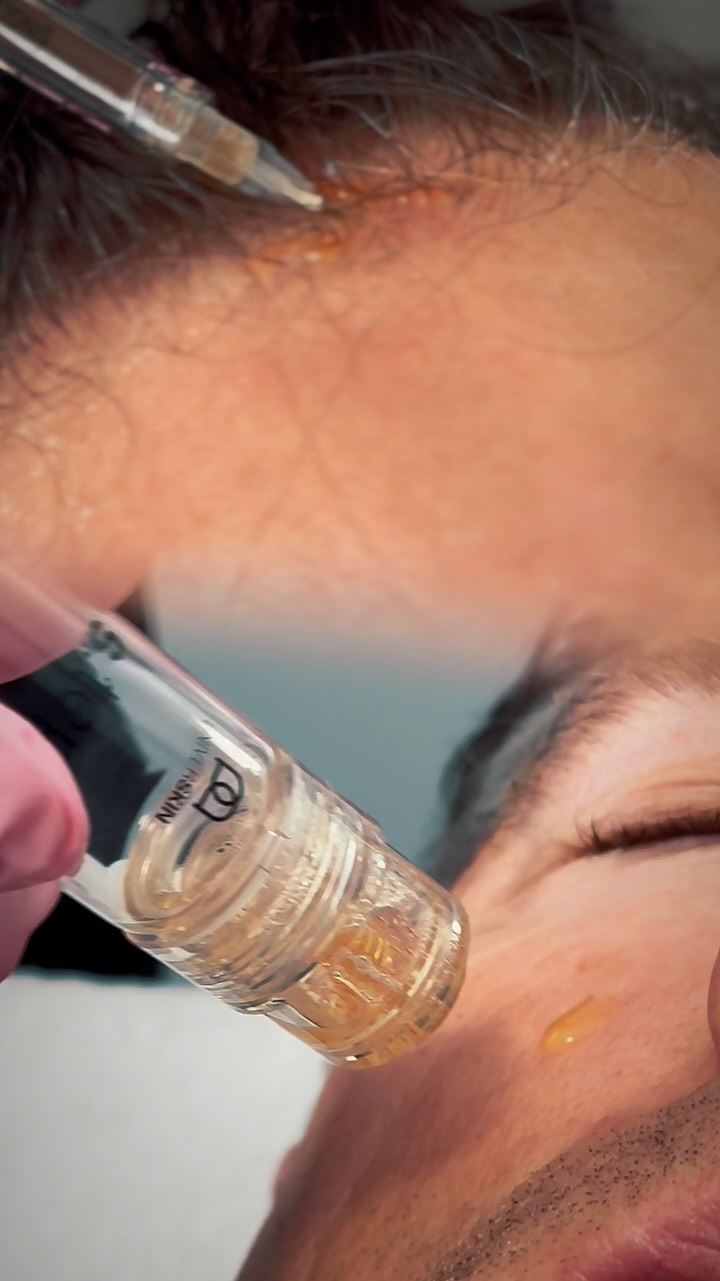
Fine lines around the eyes are among the most common early signs of facial aging. They often appear when smiling, laughing, or squinting and may gradually become more noticeable even when the face is relaxed.
These lines are commonly known as crow’s feet.
For adults in Nepean, Barrhaven, Kanata, and surrounding Ottawa communities, Botox has become a well-established non-surgical option for softening expression lines around the outer corners of the eyes.
Unlike skincare products that primarily work on the skin’s surface, Botox temporarily reduces the activity of specific facial muscles responsible for creating dynamic wrinkles.
When administered appropriately, treatment can soften crow’s feet while preserving natural facial expressions.
However, patients should understand that results vary. Botox does not permanently remove wrinkles, reverse every aspect of skin aging, or correct all under-eye concerns.
This guide explains Botox for crow’s feet in Nepean, including how treatment works, typical costs, expected before-and-after results, recovery, how long improvements last, and what first-time patients should know before booking.
What Are Crow’s Feet?
Crow’s feet are fine lines and wrinkles that extend outward from the corners of the eyes.
They are also called lateral canthal lines.
These wrinkles are especially noticeable when someone smiles or squints.
Over time, the lines may become visible even when the facial muscles are relaxed.
Crow’s feet are a natural part of facial movement and aging, but their depth and appearance vary considerably between individuals.
Some people develop noticeable lines in their twenties or thirties, while others experience more prominent wrinkles later in life.
Why Do Crow’s Feet Develop?
Several factors contribute to wrinkles around the eyes.
Repeated Facial Expressions
Every time someone smiles, laughs, or squints, the muscles surrounding the eyes contract.
The main muscle involved is the orbicularis oculi.
Repeated contraction folds the skin around the outer corners of the eyes.
When the skin is young and elastic, these folds generally disappear when the muscles relax.
As elasticity decreases, the lines may remain visible for longer.
Collagen Changes
Collagen contributes to the skin’s structure and firmness.
As collagen production and organization change with age, the skin becomes less resistant to repeated folding.
Loss of Skin Elasticity
Elastin helps skin return to its original shape after movement.
Age-related changes in elastic fibers can make expression lines more persistent.
Sun Exposure
Ultraviolet radiation contributes to premature skin aging by damaging structural proteins and increasing pigmentation changes.
Genetics
Genetics influences skin thickness, facial anatomy, wrinkle formation, and the age at which lines become noticeable.
Lifestyle Factors
Smoking, inconsistent sun protection, and certain environmental exposures may accelerate visible aging.
For residents enjoying outdoor activities around Nepean, Barrhaven, and Kanata, sun protection remains important even when cosmetic treatments are used.
Dynamic vs Static Crow’s Feet
Understanding the difference between dynamic and static wrinkles helps explain what Botox can realistically achieve.
Dynamic Crow’s Feet
These lines appear mainly during facial movement.
For example, they become noticeable when someone smiles or squints.
Dynamic wrinkles are generally the type most directly responsive to Botox.
Static Crow’s Feet
These wrinkles remain visible when the face is relaxed.
They may develop because of:
- Long-term repetitive movement
- Collagen loss
- Skin thinning
- Sun damage
- Reduced elasticity
Botox may soften some static lines by reducing repeated muscle contraction, but deeper wrinkles may not disappear completely.
Patients with prominent static lines may require additional skin-quality treatments or a different approach.
What Is Botox?
Botox Cosmetic is a prescription medication containing onabotulinumtoxinA, a form of botulinum toxin type A.
It belongs to a category of injectable medications called neuromodulators.
These medications temporarily interfere with the nerve signals responsible for muscle contraction.
In cosmetic treatments, small amounts are injected into selected facial muscles to reduce movement that contributes to expression wrinkles.
Health Canada recognizes Botox Cosmetic as a regulated prescription product in Canada.
The treatment has been used for facial wrinkles for many years and has an established clinical evidence base when administered appropriately.
How Does Botox Work for Crow’s Feet?
Crow’s feet develop partly because the orbicularis oculi muscle contracts during facial expressions.
Botox temporarily reduces the strength of contraction in selected portions of this muscle.
As the treated muscle becomes less active, the skin folds less forcefully during smiling or squinting.
This may produce:
- Softer lines around the eyes
- Reduced wrinkle depth during expression
- A smoother-looking outer eye area
- A more refreshed appearance
The goal is not necessarily to eliminate all movement.
A carefully planned treatment can reduce excessive wrinkling while preserving a natural smile.
Can Botox Completely Remove Crow’s Feet?
Not always.
Botox is most effective for wrinkles caused primarily by muscle movement.
If the lines are visible only when smiling, treatment may produce a substantial improvement.
However, wrinkles that remain visible at rest may be influenced by underlying skin changes.
These can include:
- Sun damage
- Skin thinning
- Loss of collagen
- Reduced elasticity
Botox may soften these lines, but complete removal should not be guaranteed.
A realistic consultation should distinguish between improvement and total wrinkle elimination.
Botox Before-and-After Results for Crow’s Feet
Before-and-after photographs are often one of the first things patients search for when researching Botox around the eyes.
Understanding what these images should demonstrate helps establish realistic expectations.
Before Treatment
A patient may notice:
- Fine lines radiating from the outer corners of the eyes
- Wrinkles that deepen when smiling
- Lines that remain visible after facial movement stops
- A tired-looking appearance around the eyes
After Treatment
Once Botox takes effect, patients may notice:
- Less pronounced crow’s feet when smiling
- Softer lines at the outer corners of the eyes
- Smoother-looking skin during facial expressions
- A more rested appearance
The degree of improvement depends on the original wrinkle depth, dosage, injection placement, and individual muscle activity.
What Makes a Good Before-and-After Comparison?
Photographs should ideally use:
- Similar lighting
- The same camera angle
- Comparable facial expressions
- Consistent distance from the camera
- Minimal editing
For crow’s feet, comparing photographs taken while smiling is particularly important.
A relaxed-face photograph cannot accurately demonstrate the full improvement in expression-related wrinkles.
Patients should also understand that individual results may differ from those shown in promotional images.
How Long Does Botox Take to Work on Crow’s Feet?
Botox does not produce immediate wrinkle reduction.
The medication gradually affects nerve-to-muscle communication.
Some patients begin noticing changes within approximately three to seven days.
The effect may continue developing over the following days.
A common follow-up assessment occurs around two weeks after treatment, when the provider can evaluate the response.
The American Academy of Dermatology notes that many patients see results within several days and that improvements generally last around three to four months.
How Long Does Botox for Crow’s Feet Last?
For many patients, Botox results last approximately three to four months.
However, the duration varies.
Some people notice movement returning sooner, while others experience longer-lasting improvement.
Factors that may influence duration include:
- Individual muscle activity
- Dose administered
- Treatment technique
- Previous treatment history
- Personal biological response
Botox is temporary.
As the medication’s effect wears off, normal muscle activity gradually returns.
Crow’s feet may then become more noticeable again.
Does Botox Last Longer After Repeated Treatments?
Some patients report longer-lasting results after repeated treatment.
One possible explanation is that regularly treated muscles may become less prominent over time.
However, this does not happen consistently for everyone.
Patients should not assume that repeated injections will permanently eliminate wrinkles.
Treatment frequency should be determined by clinical assessment rather than a rigid calendar.
How Often Should Crow’s Feet Botox Be Repeated?
Many patients consider maintenance treatment when the previous effects begin to wear off.
This often occurs after several months.
However, patients should not schedule treatment more frequently than recommended by the prescribing professional or applicable product guidance.
A qualified injector should assess whether additional treatment is necessary.
The objective should be balanced results rather than continuously increasing the dose.
How Much Does Botox for Crow’s Feet Cost in Nepean?
Cost is one of the most common questions patients ask.
Botox pricing is often calculated according to the number of units administered.
Some providers instead offer pricing by treatment area.
For budgeting purposes, Botox Cosmetic in the Ottawa region is commonly advertised at approximately $9–$15 CAD per unit.
Depending on the dose selected, treating crow’s feet on both sides may cost roughly $150–$360 CAD, although higher or lower quotes are possible.
These are general market estimates, not confirmed prices for Rejovenation.
What Determines the Final Price?
Several factors influence treatment cost.
Number of units: Patients with stronger muscles or more pronounced wrinkles may require a different dose.
Treatment goals: Someone seeking subtle softening may have different needs from someone requesting greater movement reduction.
Injector expertise: Qualifications and experience can affect pricing.
Product selection: Different neuromodulator brands have different dosing systems.
Additional areas: Combining crow’s feet treatment with forehead or frown-line injections increases the total cost.
Patients should request an individualized quote before treatment.
How Many Botox Units Are Needed for Crow’s Feet?
The number of units depends on the patient’s anatomy and treatment goals.
For Botox Cosmetic, 24 units total, divided between both sides, is a recognized labeled treatment dose for lateral canthal lines.
However, a clinician may determine that a different approach is appropriate based on the individual patient and the applicable product guidance.
It is important not to compare unit numbers directly between different neuromodulator brands because their units are not interchangeable.
Example Cost Estimates
The following examples use hypothetical Botox Cosmetic pricing.
| Total Botox units | At $10/unit | At $12/unit | At $15/unit |
|---|---|---|---|
| 12 units | $120 | $144 | $180 |
| 18 units | $180 | $216 | $270 |
| 24 units | $240 | $288 | $360 |
These figures are illustrative calculations, not treatment recommendations or a clinic price list. Applicable taxes and consultation fees may affect the final quote.
Is Crow’s Feet Botox Covered by Insurance?
Botox administered solely for cosmetic wrinkle reduction is generally not covered by provincial health insurance.
Private insurance also typically excludes elective cosmetic treatment.
Patients should confirm any applicable coverage directly with their insurer.
What Happens During a Botox Consultation in Nepean?
A professional consultation is an important part of safe treatment.
The provider should assess:
- Crow’s feet at rest
- Wrinkles during smiling
- Eyelid position
- Brow position
- Facial symmetry
- Muscle strength
- Skin quality
- Medical history
- Previous cosmetic injections
The injector may ask the patient to smile or squint to identify the relevant muscle movement.
The provider should also explain the expected results and possible complications.
What Happens During the Treatment?
Crow’s feet Botox is generally a short outpatient procedure.
Step 1: Facial Assessment
The injector identifies the areas where muscle movement contributes to the wrinkles.
Step 2: Skin Preparation
The treatment area is cleaned.
Step 3: Injections
Small amounts of Botox are injected into selected locations around the outer corners of the eyes.
Step 4: Aftercare
The patient receives instructions about activity, skincare, and symptoms that should prompt follow-up.
The injections themselves usually take only a few minutes, although the complete appointment may be longer.
Does Botox Around the Eyes Hurt?
Most patients describe brief pinching or stinging sensations.
The needles used for cosmetic injections are typically very fine.
Possible sensations include:
- A small pinch
- Mild pressure
- Temporary stinging
- Slight tenderness afterward
Discomfort is usually brief, but individual experiences vary.
Is There Downtime After Crow’s Feet Botox?
Most patients can return to ordinary daily activities soon after treatment.
However, temporary effects may include:
- Small injection marks
- Redness
- Mild swelling
- Bruising
- Tenderness
The American Academy of Dermatology notes that most patients can resume everyday activities immediately after botulinum toxin treatment.
Patients should still follow individualized aftercare instructions.
What Should Patients Avoid After Botox?
Aftercare instructions may include:
- Avoiding rubbing or massaging the injection sites
- Being gentle when applying makeup
- Avoiding strenuous exercise for the period recommended by the provider
- Following any additional instructions related to skincare or other cosmetic procedures
There is no need to assume that every restrictive aftercare rule found online is supported by strong evidence.
The treating professional should provide instructions appropriate to the procedure.
Is Botox Safe Around the Eyes?
Botox Cosmetic has an established history of clinical use, but all injectable procedures involve risks.
Common temporary effects can include:
- Redness
- Swelling
- Bruising
- Tenderness
- Headache
Less common complications may include:
- Eyelid drooping
- Brow asymmetry
- Changes in facial expression
- Dry eyes
- Excessive tearing
- Temporary weakness in nearby muscles
Rare but serious effects related to botulinum toxin can include difficulty swallowing, speaking, or breathing.
These symptoms require immediate medical attention.
Health Canada recommends that cosmetic Botox be administered by qualified healthcare professionals with appropriate training and knowledge of the anatomy.
Can Botox Cause Droopy Eyelids?
Yes, although this is not a common intended effect.
Unwanted weakening of nearby muscles can contribute to eyelid or brow changes.
Risk depends partly on injection placement, dosage, anatomy, and individual response.
This is one reason treatment around the eyes should be performed by a properly trained medical professional.
Can Botox Affect Vision?
Botox treatment around the eyes may occasionally produce visual symptoms, including blurred or double vision, if nearby muscles are affected.
Any new visual disturbance after treatment should be assessed promptly.
Severe or sudden visual changes warrant urgent medical attention.
Can Botox Make the Eyes Look Smaller?
Excessive muscle weakening or an unsuitable injection pattern may alter the appearance of the eye area.
Some patients may notice changes in their smile or lower-eyelid movement.
A conservative, individualized approach helps reduce the risk of an unnatural result.
Will Botox Make the Face Look Frozen?
Not necessarily.
A frozen appearance is not the intended result of every Botox treatment.
Appropriate dosing and placement can soften wrinkles while allowing natural expression.
However, some reduction in movement is necessary for the treatment to work.
Patients should discuss how much movement they wish to preserve.
Botox for Crow’s Feet vs Under-Eye Fillers
Botox and fillers treat different concerns.
Botox
Best suited to selected wrinkles caused by muscle contraction.
Dermal Fillers
Primarily used to restore volume or improve contours.
A patient with crow’s feet caused by smiling may benefit from Botox.
A patient with tear trough hollows may require a different assessment.
Botox should not be expected to fill hollow areas beneath the eyes.
Botox vs PRF for Aging Skin Around the Eyes
Platelet-rich fibrin, or PRF, is a blood-derived preparation being studied for potential improvements in skin quality.
PRF and Botox work differently.
Botox: Temporarily reduces muscle movement.
PRF: Is being investigated for biological effects related to skin texture, fine lines, and tissue remodeling.
Someone with strong expression-related crow’s feet may benefit more directly from a neuromodulator.
Someone primarily concerned with crepey skin may be interested in discussing skin-quality treatments.
The evidence supporting PRF for under-eye rejuvenation is still developing, and results are less predictable than established Botox treatment for dynamic wrinkles.
Botox vs Anti-Aging Eye Creams
Eye creams can support the skin barrier and improve hydration.
Some products containing retinoids or other evidence-based ingredients may help with selected signs of photoaging.
However, topical skincare does not temporarily relax the orbicularis oculi muscle.
This means skincare products generally cannot reproduce the same mechanism as Botox.
Daily skincare remains important for maintaining skin health between treatments.
Can Botox Prevent Crow’s Feet From Getting Deeper?
By temporarily reducing repeated muscle contraction, Botox may help limit the folding that contributes to dynamic wrinkles.
However, there is insufficient evidence to guarantee that starting treatment early will permanently prevent crow’s feet.
Skin aging continues because of genetics, sun exposure, and other biological factors.
Preventative Botox should therefore be discussed as an elective cosmetic option rather than a necessity.
What Is the Best Age to Start Botox for Crow’s Feet?
There is no universally correct age.
Some adults consider treatment when dynamic lines first become noticeable.
Others wait until wrinkles are more pronounced.
The decision should depend on:
- Individual anatomy
- Wrinkle severity
- Treatment goals
- Medical suitability
- Personal preferences
Age alone should not determine whether someone needs Botox.
Is Botox Suitable for Men?
Yes.
Crow’s feet affect adults of all genders.
Men may have different facial anatomy, muscle strength, and cosmetic preferences.
The injector should individualize treatment rather than apply identical dosing to every patient.
Can Botox Be Combined With Other Facial Treatments?
Botox may sometimes be part of a broader facial rejuvenation plan.
Depending on the patient’s needs, other treatments may address:
- Skin hydration
- Pigmentation
- Texture
- Facial volume
- Sun damage
However, combining procedures is not always necessary.
The treatment plan should be based on the patient’s concerns and the safety of each procedure.
How to Maintain Results Between Botox Appointments
Although Botox temporarily reduces muscle movement, good skincare remains important.
Wear Sunscreen Daily
Broad-spectrum sunscreen helps protect against ultraviolet damage.
Use Gentle Skincare
A consistent cleansing and moisturizing routine supports the skin barrier.
Avoid Excessive Sun Exposure
Sunglasses may also reduce squinting during bright outdoor conditions.
Consider Appropriate Anti-Aging Ingredients
Retinoids and other evidence-based skincare ingredients may help address certain signs of skin aging when used appropriately.
Avoid Smoking
Smoking contributes to premature skin aging and wrinkles.
Maintain Realistic Expectations
Botox softens selected expression lines but does not stop aging or replace healthy skin habits.
Why Natural-Looking Results Matter
For many patients, the goal is not to look dramatically different.
Instead, they want the eye area to appear smoother while retaining their normal expressions.
A successful treatment plan should consider:
- Facial symmetry
- Natural smile movement
- Brow position
- Eyelid support
- Wrinkle depth
- Patient preferences
The goal should be a balanced appearance rather than eliminating every visible line.
Frequently Asked Questions About Botox for Crow’s Feet in Nepean
How much does Botox for crow’s feet cost in Nepean?
Costs vary by provider and dose. A broad Ottawa-area budgeting estimate is approximately $150–$360 CAD for both sides, although an individualized quote may differ.
How many Botox units are needed for crow’s feet?
A labeled Botox Cosmetic treatment dose for lateral canthal lines is 24 units total across both sides. The appropriate treatment plan must be determined by a qualified clinician.
How long does Botox for crow’s feet last?
Most patients experience results lasting approximately three to four months.
How soon will crow’s feet Botox start working?
Some patients notice improvement within three to seven days, with the response continuing to develop afterward.
Can Botox completely eliminate crow’s feet?
It can significantly soften dynamic wrinkles, but deeper static lines may remain visible.
Does Botox work on wrinkles under the eyes?
Botox is primarily used for selected expression lines. Fine lines directly beneath the lower eyelid may have different causes and require careful assessment.
Does crow’s feet Botox hurt?
Most patients experience brief pinching or stinging during the injections.
Is there downtime?
Most people can return to routine activities soon afterward, although temporary swelling, redness, or bruising may occur.
Can Botox make the eyes droop?
Unwanted muscle weakening can occasionally affect eyelid or brow position. Appropriate injector training and careful technique are important.
Can Botox look natural?
Yes. Individualized dosing may soften wrinkles while preserving natural facial expressions.
Is Botox permanent?
No. The effects gradually wear off as muscle activity returns.
Can Botox prevent future wrinkles?
Reducing repeated muscle contraction may help limit dynamic wrinkle formation, but permanent prevention is not guaranteed.
Is Botox better than fillers for crow’s feet?
Botox is generally more directly suited to movement-related crow’s feet. Fillers address different concerns, such as volume loss.
Is Botox safe for first-time patients?
It can be appropriate for selected adults when administered by a qualified healthcare professional, but risks and medical history must be reviewed.
Can men receive Botox for crow’s feet?
Yes. Treatment can be individualized for men and women according to anatomy and cosmetic goals.
How often should Botox be repeated?
Many patients consider maintenance after several months, but treatment frequency should follow professional assessment and product guidance.
What happens if someone stops getting Botox?
The medication’s effects gradually wear off, and normal muscle movement returns. Wrinkles may become more noticeable again.
Can Botox be combined with PRF or HydraFacial?
Different procedures may address different concerns, but combination treatment and timing should be discussed with a qualified provider.
Final Thoughts: Is Botox for Crow’s Feet Worth Considering in Nepean?
For adults researching Botox for crow’s feet in Nepean, neuromodulator injections offer an established non-surgical option for softening expression lines around the outer corners of the eyes.
Botox works by temporarily reducing the muscle activity responsible for dynamic wrinkles.
Many patients begin noticing improvements within several days, with results commonly lasting around three to four months.
The treatment can create a smoother, more refreshed appearance, but it does not permanently eliminate wrinkles or correct every cause of aging around the eyes.
For residents of Nepean, Barrhaven, Kanata, and surrounding Ottawa communities, an individualized consultation is the most useful starting point.
A qualified medical injector can assess wrinkle depth, facial anatomy, muscle activity, and treatment goals while explaining expected results, cost, recovery, and possible risks.
The best crow’s feet treatment is not necessarily the one that uses the most units or promises the smoothest possible appearance.
It is the one that balances visible improvement with natural facial expression, appropriate medical care, and realistic long-term expectations.

