
Some days, your skin simply doesn’t look like itself.
It may appear flat instead of luminous. Makeup doesn’t sit quite the same way. Your complexion looks uneven, your skin feels rough or dry, and even after a full night’s sleep, your face can still look tired.
This is often described as dull skin.
But “dullness” isn’t a medical diagnosis, and it doesn’t have one single cause. What we perceive as glowing skin is influenced by several things at once: hydration, surface texture, pigmentation, circulation, the skin barrier, oil production, and the way light reflects from the surface of the skin.
When one or more of these factors changes, skin may begin to look less radiant.
The good news is that dull-looking skin doesn’t automatically mean you need an aggressive treatment. Sometimes the answer is as simple as improving hydration or changing an irritating skincare routine. In other cases, accumulated sun exposure, changes in skin texture, or age-related changes may benefit from professional assessment.
Here are seven common reasons your skin may be losing its glow—and what you can do about them.
1. Your Skin May Be Dehydrated
One of the simplest explanations for tired-looking skin is dehydration.
Skin contains water, and its outermost layer plays an important role in maintaining hydration and limiting excessive water loss.
When that outer layer becomes dehydrated, the surface may appear:
- Dull
- Rough
- Tight
- Less plump
- More textured
- More prone to showing fine lines
Dehydrated skin and dry skin are related concepts, but they aren’t necessarily the same thing.
Dry skin generally refers to skin that produces or retains insufficient oils and lipids, while dehydration refers more specifically to insufficient water within the skin’s outer layers.
This means even someone with oily skin can experience dehydration.
What Can Cause Dehydrated-Looking Skin?
Several factors may contribute, including:
- Cold or dry weather
- Indoor heating
- Over-cleansing
- Hot showers
- Aggressive exfoliation
- Harsh skincare products
- A compromised skin barrier
- Environmental exposure
If your skin suddenly looks dull and feels tight, increasing the number of aggressive active ingredients in your routine may make things worse.
Sometimes your skin needs less treatment and more barrier support.
What Can Help?
A gentle cleanser and an appropriate moisturizer are good places to start.
Ingredients commonly used in hydrating and barrier-supporting products include humectants, emollients, and skin-compatible lipids.
The specific formulation matters more than choosing a product simply because it says “hydrating” on the label.
And while drinking adequate fluids is important for overall health, simply drinking enormous amounts of water isn’t a guaranteed treatment for dull skin.
Skin hydration is more complicated than that.
2. Dead Skin Cells May Be Affecting Your Texture
Your skin is constantly renewing itself.
Cells formed deeper within the epidermis gradually move toward the surface, where they eventually become part of the outermost layer and are shed.
When the surface becomes rough or uneven, light doesn’t reflect as uniformly.
The result can be skin that appears less smooth and less radiant.
This is one reason exfoliation can sometimes create an immediate impression of brighter-looking skin.
But there’s an important catch:
More exfoliation is not always better.
Are You Exfoliating Too Little—or Too Much?
People often assume dull skin means they need a scrub.
Then another scrub.
Then an acid toner.
Then an exfoliating serum.
Then a peel.
Suddenly, a problem that began as mild dullness has become redness, stinging, dryness, and irritation.
Over-exfoliation can compromise the skin barrier and make the complexion look worse rather than better.
Physical exfoliants, alpha hydroxy acids, beta hydroxy acids, retinoids, and professional resurfacing treatments all interact with skin differently.
Your skin does not need every category at the same time.
What Can Help?
If surface buildup and uneven texture are contributing to dullness, appropriate exfoliation may help improve smoothness.
The right method and frequency depend on your skin type, sensitivity, current products, and concerns.
If your skin burns when you apply moisturizer or feels persistently tight and irritated, adding another exfoliating acid probably isn’t the answer.
Barrier recovery may need to come first.
3. Sun Exposure May Be Changing Your Complexion
One of the biggest contributors to changes in skin appearance is ultraviolet exposure.
Sun damage doesn’t always appear immediately.
It accumulates.
Years of UV exposure can contribute to:
- Uneven pigmentation
- Sun spots
- Rougher texture
- Fine lines
- Changes in elasticity
- Uneven skin tone
- Other visible signs of photoaging
Together, these changes can make the complexion appear less clear and luminous.
You may therefore interpret your skin as simply looking “tired” when what you’re actually seeing is a combination of pigmentation and textural changes associated with accumulated sun exposure.
Sunscreen Isn’t Just About Preventing Sunburn
One of the most important misconceptions about sunscreen is that it is only needed when you’re spending the day outside.
Sun protection is also an important part of a long-term strategy for reducing photoaging.
Broad-spectrum sunscreen, combined with sensible sun-protective behaviour, can help limit further UV-related damage.
If you’re investing significant amounts of money in skin rejuvenation treatments but consistently exposing your skin to unnecessary UV radiation, you’re working against one of your primary goals.
Protect first.
Treat second.
4. Your Skin Barrier May Be Compromised
The skin barrier has become a popular skincare topic—and for good reason.
The outermost layer of your skin helps protect against the external environment while reducing excessive water loss.
When barrier function is disrupted, skin may become:
- Dry
- Rough
- Sensitive
- Red
- Flaky
- Tight
- Irritated
- Less radiant
Unfortunately, many people accidentally damage their skin barrier while trying to improve their skin.
The “More Is Better” Skincare Problem
A routine might include:
Vitamin C in the morning.
An exfoliating toner.
A strong retinoid at night.
A glycolic peel twice a week.
A physical scrub.
An acne treatment.
And several new serums because someone on social media recommended them.
Each individual product may have a legitimate purpose.
But that doesn’t mean your skin needs all of them simultaneously.
When too many active products are combined without considering tolerance, the resulting irritation can make skin look dull, inflamed, and unhealthy.
What Can Help a Damaged Skin Barrier?
The answer may involve temporarily simplifying your routine.
That can mean focusing on:
- Gentle cleansing
- Moisturization
- Barrier-supporting products
- Sun protection
- Reducing irritating active ingredients
- Avoiding unnecessary scrubbing
Once the skin feels comfortable again, targeted ingredients can be reintroduced gradually if appropriate.
Healthy-looking skin doesn’t need to feel like it’s being punished.
5. Your Skin Is Changing With Age
Skin changes naturally throughout adulthood.
Collagen production and organization change. Cell turnover and repair processes evolve. The skin may become drier, and accumulated environmental exposure becomes increasingly visible.
Hormonal changes can influence the skin as well.
Over time, you may notice:
- Reduced firmness
- Fine lines
- Rougher texture
- Increased dryness
- Uneven pigmentation
- Changes in elasticity
- Less plump-looking skin
Together, these changes can reduce the smooth, light-reflective appearance people often describe as a “glow.”
Collagen Is Part of the Story—but Not All of It
Anti-aging marketing often makes it sound as though every visible change is caused by collagen loss.
Facial aging is much more complicated.
Changes can involve the skin, connective tissues, facial fat, muscles, bone, blood vessels, pigmentation, and other structures.
If your face appears tired, the cause may therefore be completely different from someone else’s—even if you’re the same age.
This is why a good skin rejuvenation plan begins with an assessment rather than automatically prescribing a “collagen treatment.”
6. Your Lifestyle May Be Showing Up on Your Skin
Your skin doesn’t exist separately from the rest of your body.
Sleep, smoking, nutrition, stress, alcohol consumption, environmental exposure, and overall health can all influence how you look and feel.
That doesn’t mean every breakout or wrinkle is caused by your lifestyle.
And it certainly doesn’t mean you can “detox” your skin with a juice cleanse.
But your general health matters.
Sleep and Tired-Looking Skin
Poor sleep can influence how refreshed your face appears.
After inadequate sleep, some people notice changes such as:
- More noticeable under-eye darkness
- Puffiness
- Paler or less vibrant-looking skin
- Increased perception of fine lines
- A generally tired appearance
One expensive facial cannot permanently compensate for chronically poor sleep.
Smoking and Skin Aging
Smoking is associated with premature visible skin aging and can affect biological processes relevant to skin structure and repair.
If healthy aging is your goal, avoiding smoking is one of the most meaningful lifestyle changes you can make.
What About Diet?
Skin requires adequate nutrition like every other organ.
Protein, essential fatty acids, vitamins, minerals, and other nutrients all contribute to normal physiological function.
There is no single “glowing skin food,” however.
A balanced dietary pattern is more useful than chasing one trendy supplement or superfood.
7. Your Skincare Routine May Not Match Your Skin
Sometimes the problem isn’t your skin.
It’s the routine you’ve built for it.
Skincare has become incredibly complicated.
People are encouraged to diagnose themselves, purchase multiple active ingredients, follow viral routines, and change products constantly.
But the best skincare routine isn’t the one with the most steps.
It’s the one that addresses your particular skin.
Signs Your Routine May Need Reassessment
You may want to reconsider your routine if:
- Your skin frequently stings
- You’re constantly peeling
- Your face feels tight after cleansing
- You’re using several exfoliating products simultaneously
- You’re experiencing persistent irritation
- You’ve added multiple products without knowing why
- Your pigmentation appears to be worsening
- Your skin is becoming increasingly sensitive
- You’ve used the same routine for years despite your skin changing
A professional skin assessment can sometimes save you money simply by identifying which products you don’t need.
What About Dull Skin That Doesn’t Improve With Skincare?
If you’ve addressed hydration, simplified your routine, consistently protected your skin from the sun, and still aren’t happy with your complexion, professional treatments may be worth considering.
The right option depends on why your skin looks dull.
There is no universal “glow treatment.”
For example, pigmentation requires a different strategy from rough texture.
Dehydration requires a different strategy from acne scarring.
Age-related changes in skin quality require a different strategy from facial volume loss.
Identifying the cause first makes treatment far more logical.
Can Microneedling Help Dull-Looking Skin?
Microneedling uses fine needles to create controlled micro-injuries in the skin.
These controlled injuries initiate a wound-healing response involving processes associated with collagen and extracellular matrix remodeling.
Depending on the individual, microneedling may be considered for concerns such as:
- Uneven texture
- Fine lines
- Certain types of scarring
- Enlarged-looking pores
- Overall skin rejuvenation
Results develop gradually as the skin responds to treatment.
Microneedling isn’t simply an aggressive form of exfoliation, and professional treatment should be distinguished from overusing needling devices at home.
Can PRP or PRF Help Improve Skin Quality?
Platelet-rich plasma (PRP) and platelet-rich fibrin (PRF) are blood-derived preparations used within regenerative aesthetics.
Both begin with a small sample of the patient’s own blood.
PRP creates a platelet-rich plasma preparation, while PRF uses different processing methods to produce a fibrin-based preparation containing platelets and other blood components.
Because platelets contain biological signaling molecules involved in normal healing processes, PRP and PRF have attracted interest for selected skin rejuvenation applications.
Depending on individual suitability, they may form part of a broader regenerative treatment strategy.
Neither should be viewed as an instant “glow injection,” and outcomes vary between individuals.
What About Exosome-Based Skin Treatments?
Exosomes are extracellular vesicles involved in communication between cells.
Research into extracellular vesicles has generated significant interest in regenerative medicine and skin biology, including processes associated with tissue repair and cellular signaling.
This has led to growing interest in exosome-based products within aesthetics.
However, this is an evolving area.
Products marketed as exosomes can differ in their source, composition, manufacturing process, evidence, intended use, and regulatory status.
If you’re considering an exosome-based approach, ask what specific product is being proposed, how it will be used, what evidence supports that application, and whether its intended use is appropriate under applicable Canadian requirements.
New technology should be evaluated carefully—not automatically assumed to be superior.
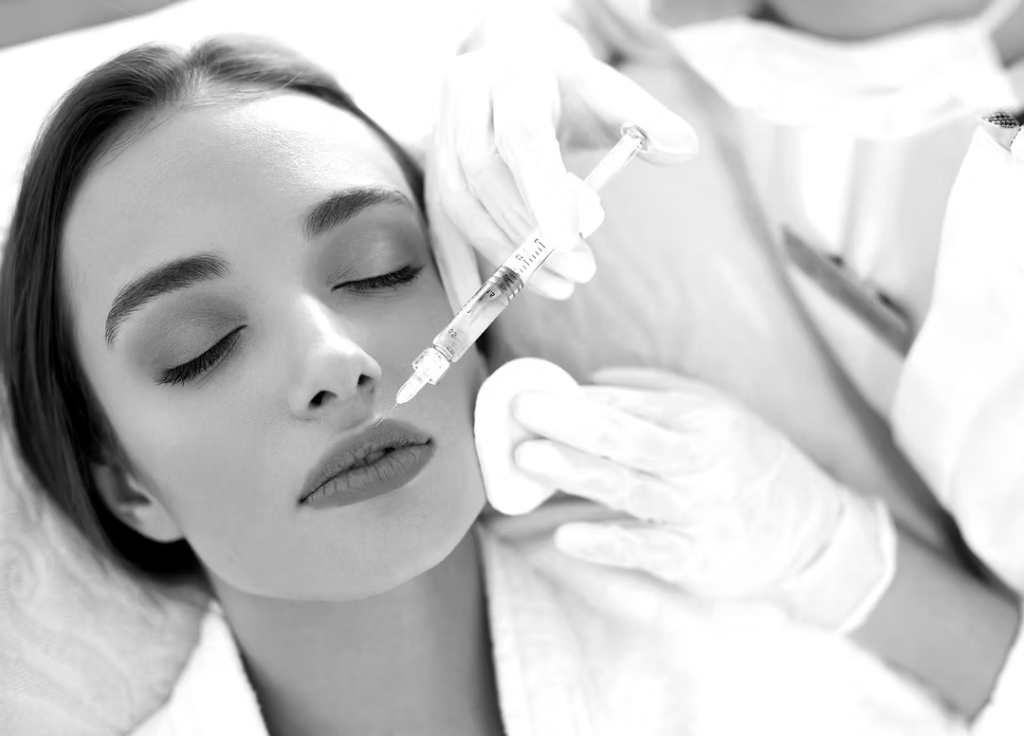
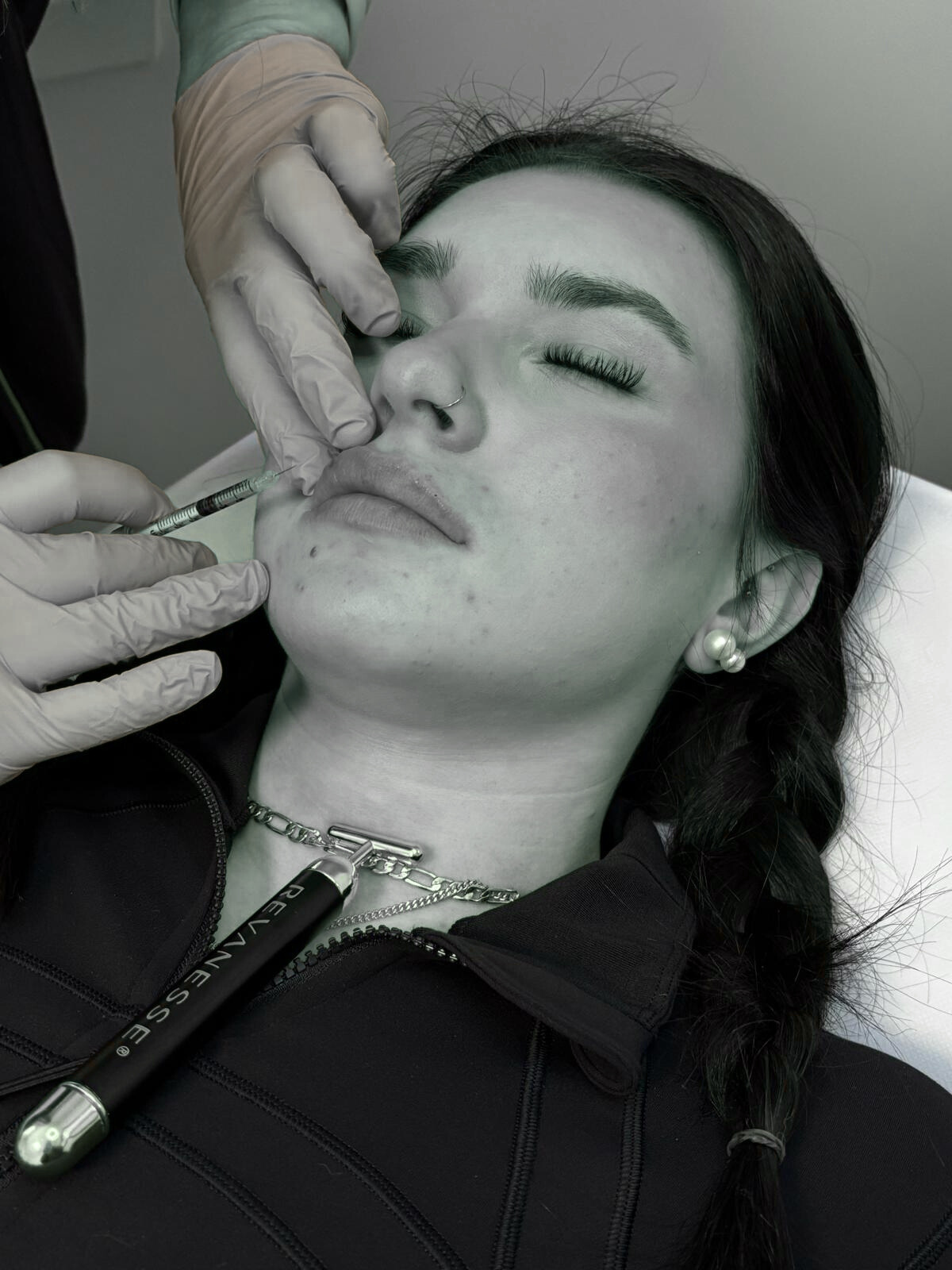
Can Injectables Fix Dull Skin?
Not necessarily.
Neuromodulators and dermal fillers can be valuable treatments for specific concerns, but they don’t automatically correct surface skin quality.
A neuromodulator may help soften selected expression lines.
A dermal filler may be used for particular volume or structural concerns.
Neither is automatically a treatment for pigmentation, dehydration, or rough surface texture.
This is an important distinction because someone can have beautifully balanced facial volume and still be unhappy with their skin quality.
Likewise, someone can have excellent skin texture but be concerned about facial volume changes.
Skin quality and facial structure are related—but they aren’t the same thing.
Could Your “Dull Skin” Actually Be Pigmentation?
Possibly.
Uneven pigmentation can reduce the visual uniformity of the complexion, making skin appear less bright even when it is adequately hydrated.
Pigmentation can have many causes, including:
- Sun exposure
- Post-inflammatory changes
- Hormonal influences
- Previous acne
- Skin injury
- Certain skin conditions
And not every type of pigmentation should be treated in the same way.
Trying to aggressively exfoliate every dark spot can sometimes make pigmentation worse, particularly if irritation develops.
An assessment can help distinguish texture from pigmentation and determine a more appropriate strategy.
Why Your Under-Eyes Can Make Your Whole Face Look Tired
Sometimes your skin isn’t particularly dull at all.
The under-eye area is creating the impression of fatigue.
Dark-looking under-eyes can result from several factors, including:
- Pigmentation
- Thin skin
- Visible blood vessels
- Facial anatomy
- Shadowing
- Volume changes
- Puffiness
- Genetics
This explains why an eye cream doesn’t solve every case.
If shadowing from facial anatomy is the main issue, a brightening cream may have limited impact.
If pigmentation is responsible, a treatment intended for volume changes may not address the actual problem.
Again, diagnosis matters.
A Simple Routine for Brighter-Looking Skin
If your skin is generally healthy and you simply want to improve radiance, you don’t necessarily need an elaborate routine.
A reasonable starting point might look like this:
Morning
Gentle cleansing
Remove excess oil and residue without aggressively stripping the skin.
Antioxidant skincare
A well-formulated antioxidant such as vitamin C may be appropriate depending on your skin and goals.
Moisturizer
Choose a formulation appropriate for your skin type.
Broad-spectrum sunscreen
Protect against UV exposure that contributes to photoaging and pigmentation.
Evening
Gentle cleansing
Remove sunscreen, makeup, oil, and environmental residue.
Targeted treatment
Depending on your skin, this might include a retinoid or another active ingredient chosen for a particular concern.
Moisturizer
Support hydration and barrier function.
That’s enough for many people.
You can always add something when there’s a reason.
What Not to Do When Your Skin Looks Dull
When skin suddenly loses its glow, avoid the temptation to attack it.
That means being cautious about:
- Scrubbing harder
- Exfoliating every day
- Combining multiple acids
- Using strong peels too frequently
- Introducing several new products simultaneously
- Copying someone else’s routine without considering your skin
- Expecting one treatment to solve every concern
Skin rejuvenation should be strategic.
Inflamed skin isn’t glowing skin.
How Long Does It Take to Improve Dull Skin?
That depends entirely on the cause.
Dehydration and barrier-related dullness may improve relatively quickly when irritating products are removed and hydration is restored.
Pigmentation and sun damage generally require more time.
Collagen remodeling following professional treatments occurs gradually.
Acne scarring and more established textural changes may require a longer treatment plan.
The more accurately the cause is identified, the easier it becomes to set realistic expectations.
The Difference Between “Glowing” Skin and Healthy Skin
Social media has created a very particular image of what healthy skin should look like.
Perfectly smooth.
Completely poreless.
Reflective like glass.
No pigmentation.
No lines.
No texture.
Real human skin does not look like a beauty filter.
Pores are normal. Texture is normal. Fine lines are normal. Variation in pigmentation is normal.
The goal of skincare shouldn’t be to eliminate every visible sign that you have skin.
A much healthier goal is comfortable, resilient, well-supported skin that looks good to you.
Skin Rejuvenation at Rejovenation
If your skin looks persistently dull or tired despite a consistent skincare routine, understanding the cause can help determine what to do next.
At Rejovenation in Stittsville, skin rejuvenation is approached according to the individual rather than automatically recommending the same facial or treatment for everyone.
Your skin type, pigmentation, texture, hydration, age-related changes, previous treatments, medical history, skincare routine, and goals may all influence which approach is appropriate.
Depending on your assessment and suitability, a personalized plan may explore options involving skin rejuvenation, microneedling, PRP, PRF, regenerative aesthetics, AI skin analysis, injectables, and other available aesthetic treatments.
Rejovenation welcomes clients from Stittsville, Kanata, Nepean, Barrhaven, Ottawa, and surrounding communities.
Frequently Asked Questions About Dull Skin
Why does my face look dull even when I get enough sleep?
Sleep is only one factor affecting your complexion. Dehydration, uneven texture, pigmentation, sun damage, skincare irritation, barrier disruption, and normal age-related changes can all make skin appear less radiant.
How can I make dull skin look brighter?
Start with the fundamentals: gentle cleansing, appropriate moisturization, consistent broad-spectrum sunscreen, and targeted active ingredients suited to your skin. If dullness persists, identifying whether the cause is pigmentation, texture, dehydration, or another concern can guide treatment.
Does exfoliation help dull skin?
Appropriate exfoliation may improve surface smoothness and radiance for some people. Excessive exfoliation, however, can damage the skin barrier and cause redness, dryness, and irritation that make skin look worse.
Can dehydration make your face look older?
Dehydrated skin may appear rougher and less plump, which can make fine lines more noticeable. Improving hydration may help the surface appear smoother, although it does not reverse structural skin aging.
Can microneedling improve skin glow?
Microneedling may be considered for certain concerns involving texture and overall skin quality. It works by creating controlled micro-injuries that initiate skin-remodeling processes. Whether it is appropriate depends on the individual.
Do PRP and PRF help dull skin?
PRP and PRF are regenerative preparations derived from a patient’s blood and may be considered for selected skin rejuvenation goals. They are not universal treatments for dullness, and suitability depends on what is causing the concern.
Why is my skincare making my skin look worse?
Using too many active ingredients, excessive exfoliation, harsh cleansing, or products that don’t suit your skin can disrupt barrier function and cause irritation. Simplifying the routine may be helpful if your skin is persistently dry, red, tight, or sensitive.
Where can I get a skin consultation near Ottawa?
Rejovenation is located at 1563 Stittsville Main Street in Stittsville, Ontario, welcoming clients from Stittsville, Kanata, Nepean, Barrhaven, Ottawa, and surrounding communities. A consultation can help identify the factors affecting your complexion and determine which skincare or treatment options may be appropriate.
Ready to Bring Back Your Skin’s Glow?
Dull-looking skin isn’t one problem with one solution.
It might be dehydration, surface texture, sun damage, a compromised skin barrier, natural age-related changes, lifestyle factors, or simply a skincare routine that no longer works for you.
And sometimes several of those factors are happening at once.
Before purchasing another “glow” serum or booking the trendiest treatment, figure out what your skin actually needs.
If you’re unsure what’s behind the changes you’re seeing, book a consultation with Rejovenation in Stittsville to explore a personalized approach to brighter, healthier-looking skin.