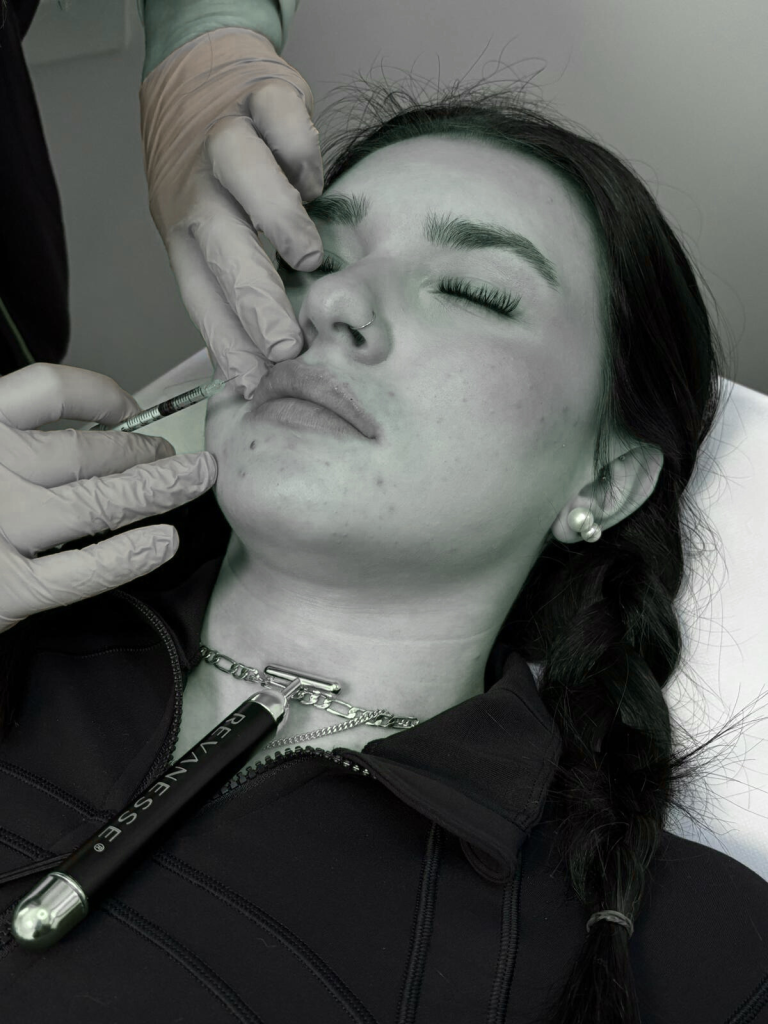

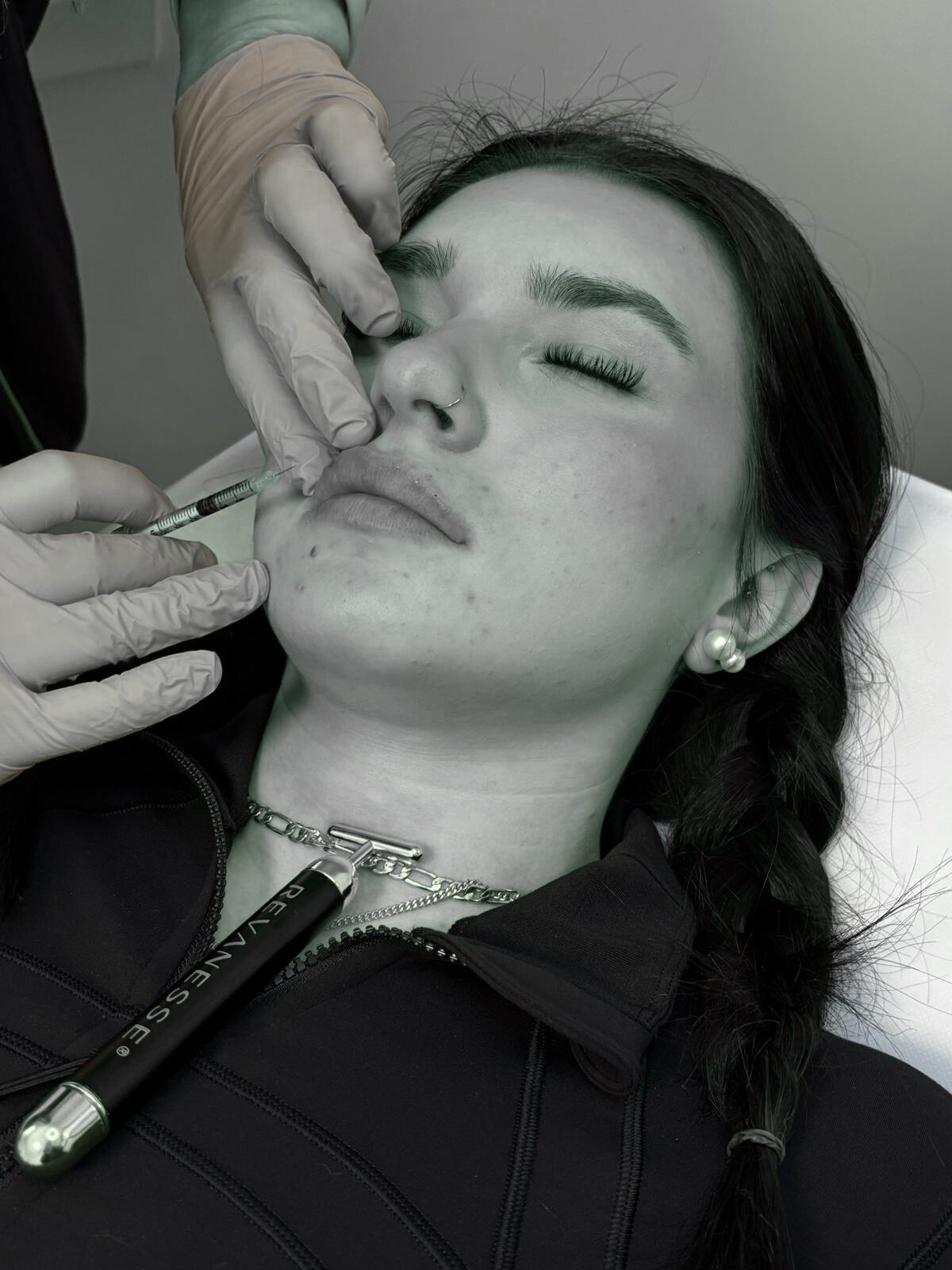
Lip filler is a nonsurgical treatment used to add volume, refine lip shape, or balance facial features. If you are considering lip fillers in Ottawa, it helps to know that some swelling, tenderness, and bruising can occur after injections. These effects are often temporary, but their timing and intensity vary from person to person.
Knowing what may be part of the usual healing process—and when to contact your injector—can help you plan your appointment and feel more prepared. Your provider’s instructions should always take priority because they know your treatment plan, medical history, and the product used.
Why do lips swell after filler?
Lip tissue is delicate and has a rich blood supply. The injection process can cause a temporary inflammatory response, and the filler itself can attract water. As a result, lips may look fuller or feel firmer immediately after treatment, with swelling that becomes more noticeable during the first day or two.
The amount of swelling differs between patients. It can depend on the amount of filler used, the injection technique, the areas treated, and how your body responds. Swelling may be uneven at first, and one side may appear fuller than the other while the tissue settles. Early appearance is not the final result.
Why can bruising happen?
A bruise forms when a small blood vessel is affected during an injection. Bruising can appear as a small mark near an injection point or cover a larger area of the lip or surrounding skin. It may change colour as it fades.
Bruising is not always preventable, even when treatment is performed carefully. Tell your injector about medications, supplements, allergies, and any history of easy bruising before your appointment. Do not stop prescribed medication on your own; ask the clinician who prescribed it or your injector if you have questions.
What to expect in the first few days
Immediately after lip filler treatment, you may notice small injection marks, mild redness, tenderness, or swelling. The lips may feel tight, sensitive, or slightly firm. Swelling can increase over the first 24 to 48 hours before gradually settling.
Bruising may become more visible during this period. Some people have little or no bruising, while others notice more pronounced discolouration. These early changes can make the lips look larger or less symmetrical than expected.
The healing timeline varies. Your injector can tell you when to expect swelling and bruising to improve and when it makes sense to assess the settled result. Avoid judging your final appearance immediately after the appointment.
How to care for your lips after treatment
Follow the aftercare instructions provided by your injector. General guidance may include:
- Keep your hands clean and avoid unnecessary touching or pressure on the lips.
- Avoid massaging the treated area unless your injector specifically directs you to do so.
- Use a clean, wrapped cold pack if your provider recommends it; do not place ice directly on the skin.
- Be gentle when eating, drinking, brushing your teeth, and applying skincare or makeup.
- Follow your injector’s advice about exercise, heat exposure, alcohol, and other activities.
- Contact the clinic if you are unsure whether a symptom or activity is appropriate.
The right instructions can vary with the treatment and your individual needs. Do not use online advice to override the guidance you received from your provider.
Should you use ice for lip filler swelling?
Some injectors recommend a cool compress to help with temporary swelling or discomfort. If yours does, use it exactly as instructed. A cold pack should generally be wrapped in a clean cloth and applied gently; direct ice or firm pressure can irritate the skin or put unnecessary pressure on the treated area.
Ask your injector before using any topical product, medication, or home remedy to address bruising or swelling. A product that is suitable for one person may not be appropriate for another, especially if you have allergies or take medication.
What can affect swelling and bruising?
Several factors may influence your recovery, including the amount and placement of filler, your natural tendency to bruise, previous lip treatments, and individual healing differences. Certain medicines and supplements may also affect bruising, so disclose everything you take during your consultation.
Your injector can review your health history and explain any preparation steps they recommend. If you have a history of cold sores, mention it before treatment. Your provider can discuss whether that history affects planning or aftercare.
When should you contact your injector?
Contact your Ottawa clinic if you have concerns about swelling, bruising, discomfort, or changes in the treated area. The clinic can help you determine whether your symptoms fit the expected recovery or whether you should be assessed.
Seek urgent medical care if you experience severe or rapidly worsening pain, unusual skin colour changes, vision changes, difficulty breathing, or another serious or sudden symptom. Do not wait for a routine follow-up if you believe you may be experiencing an emergency.
When will the final result be visible?
Lip filler results are visible right away, but swelling can temporarily exaggerate the volume and affect symmetry. As the tissue settles, the appearance may change. Your injector can advise you on the appropriate time to review your results and whether a follow-up appointment is recommended.
If you have questions about a specific area or feel that something is not settling as expected, contact your provider rather than trying to adjust or massage the filler yourself.
Planning lip filler treatment in Ottawa
A consultation is an important part of planning lip filler. It gives you a chance to discuss your goals, medical history, previous treatments, and concerns about downtime. A qualified provider can explain what lip filler may achieve, review possible side effects, and recommend an approach based on your facial features and preferences.
Before booking, consider asking:
- What type of filler and treatment approach do you recommend for my goals?
- How much swelling and bruising should I plan for?
- What should I avoid before and after treatment?
- When can I return to exercise and my usual activities?
- When should I contact the clinic about a symptom?
- When should I assess the settled result?
Scheduling treatment when you have a few days without major events may make temporary swelling or bruising easier to manage. Your injector can help you decide what timing is practical for you.
Understanding recovery after lip filler
Swelling and bruising are possible after lip filler, and the early appearance can differ from the final result. Follow the aftercare instructions from your injector, avoid pressing on the treated area unless directed, and reach out to your clinic with questions. Understanding what to expect can help you plan for lip filler treatment in Ottawa with realistic expectations.