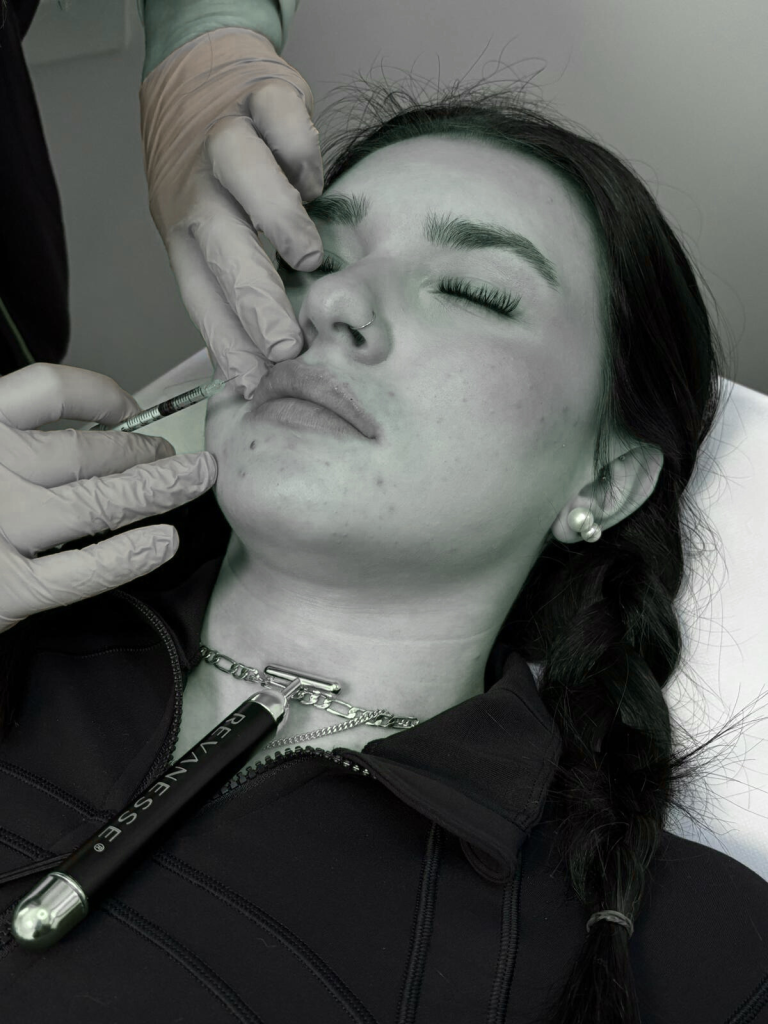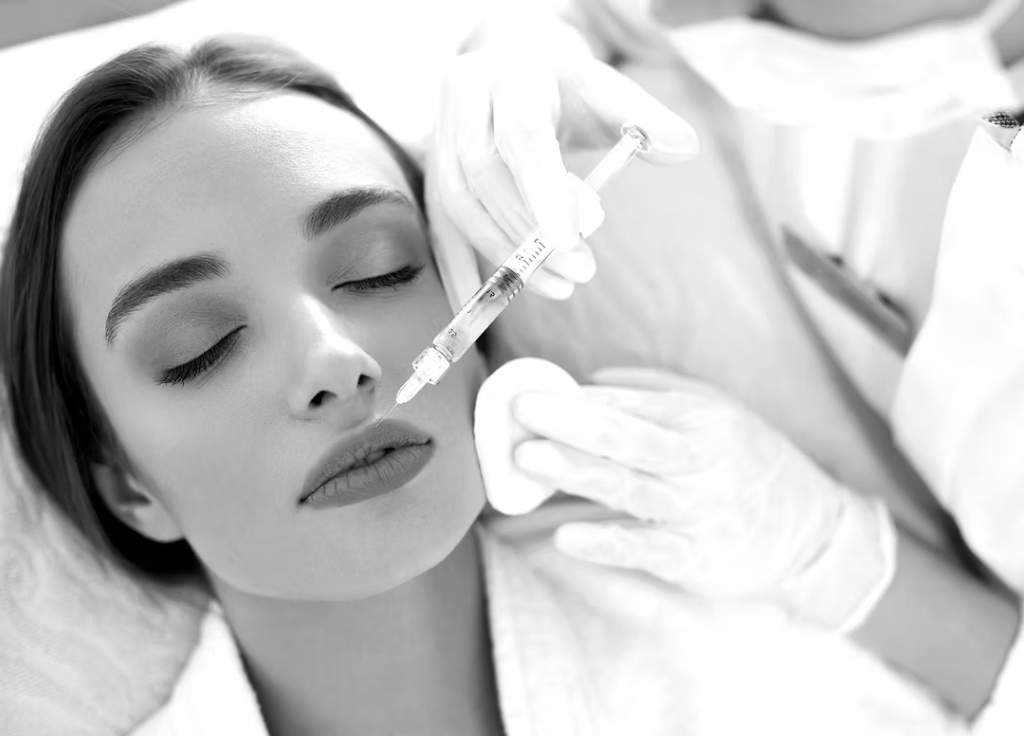

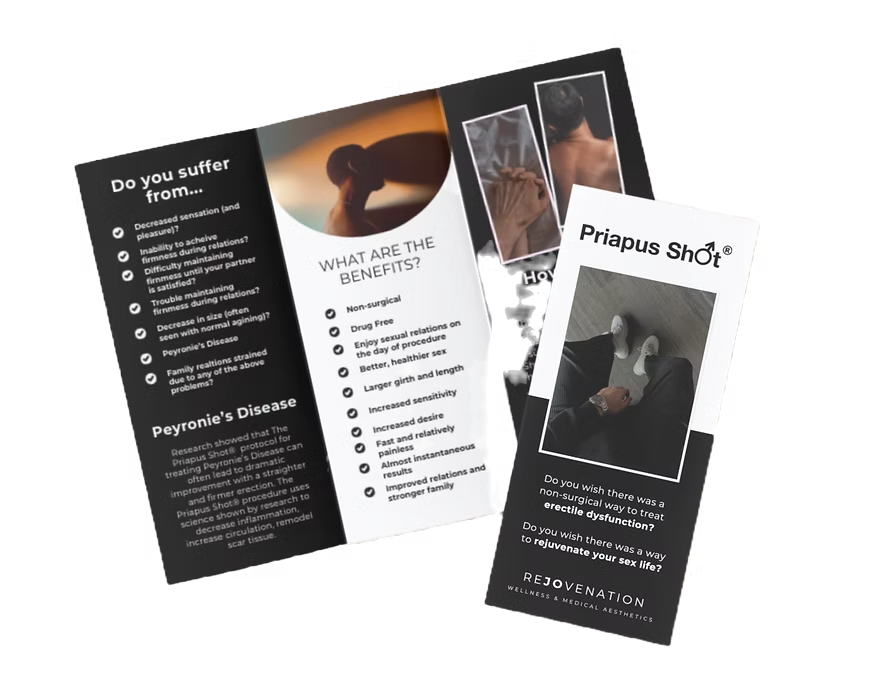
Men researching sexual wellness treatments in Ottawa may come across the P-Shot, a procedure that uses platelet-rich plasma (PRP) prepared from a person’s blood and injected into penile tissue. If you are considering it, begin with a thorough consultation. Ask what the treatment involves, what evidence supports it for your concern, what risks apply, and whether other medical evaluation or treatment may be more appropriate.
The P-Shot is not a guaranteed treatment for erectile dysfunction or other sexual health concerns. Its protocol and the benefits claimed can vary between providers, and evidence for particular outcomes may be limited. This guide outlines questions to discuss before deciding whether to proceed.
What is the P-Shot?
The P-Shot is commonly described as an injection procedure using PRP. A sample of blood is processed to concentrate platelets, and the resulting preparation is injected into selected areas. The preparation method, injection sites, and clinical protocol may differ.
Some clinics market the procedure for erectile function or sexual performance. However, claims should be considered carefully: PRP injections for these purposes are not established as a guaranteed solution, and the evidence may not support every advertised benefit. Ask the provider to explain what is known, what remains uncertain, and how the clinic’s specific protocol is supported.
Start by understanding your concern
Sexual health symptoms can have many possible causes, including cardiovascular or metabolic conditions, medication effects, hormonal factors, stress, relationship concerns, or other health issues. Erectile difficulties can sometimes be an early sign of an underlying health problem.
Before choosing an elective procedure, consider discussing persistent or new symptoms with a qualified healthcare professional. A medical evaluation can help identify possible causes and determine whether further testing or established treatments are appropriate. Do not delay urgent care for sudden or severe symptoms.
Who might be considered for the P-Shot?
There is no simple checklist that determines whether someone is a suitable candidate. A provider should review your symptoms, medical history, medications, allergies, previous treatments, and goals before discussing the procedure.
Ask whether the treatment is appropriate for your specific concern and what factors could make it unsuitable. Mention bleeding disorders, blood conditions, infections, allergies, previous reactions to injections, and any significant medical conditions. Tell the provider about prescription medications, over-the-counter medicines, and supplements you take. Do not stop prescribed medication without direction from the clinician who prescribed it.
A responsible consultation may also recommend medical assessment before an aesthetic or regenerative treatment. If you have not had your symptoms evaluated, ask whether speaking with your family doctor, urologist, or another qualified clinician should come first.
Questions to ask during a P-Shot consultation in Ottawa
What condition or concern is this treatment intended to address?
Describe what you are experiencing and ask how the provider determines whether the P-Shot relates to that concern. Ask whether the procedure is intended to treat a diagnosed condition or is offered as an elective wellness service.
What evidence supports the treatment?
Ask what research supports the P-Shot for your particular concern and how strong that evidence is. Find out what outcomes are measured, how long results have been followed, and whether the research reflects the protocol used by the clinic.
The provider should discuss uncertainty openly. Be cautious of guarantees, precise promises, or claims that the procedure works for everyone.
What exactly will be injected?
Ask how the PRP is prepared, what will be injected, and whether any other substances are included. Confirm how the clinic handles preparation, sterility, and patient identification. You should understand the procedure before agreeing to it.
Who will perform the procedure?
Ask about the provider’s qualifications and experience with the specific injections involved. Confirm who will assess you, draw and process the blood, and administer the injection. You can also ask what safety procedures the clinic follows and how it responds to complications.
What are the risks and possible side effects?
Discuss possible pain, bruising, bleeding, swelling, infection, irritation, or reaction to any substances used. Ask which risks are more relevant to your health history and what warning signs require prompt medical attention.
Are there other options?
Ask about alternatives, including a medical evaluation, established treatments, medication review, or referral to a specialist. The appropriate option depends on the cause of your symptoms and your health. A consultation should give you room to compare choices without pressure to book immediately.
What does recovery involve?
Ask how long the appointment takes, what you may feel afterward, and whether you need to avoid sexual activity, exercise, or other activities for a period. Follow the clinic’s instructions and ask how to reach the provider if a concern develops.
What is the full cost?
Clarify the price of the consultation, procedure, follow-up appointments, and any additional sessions. Ask how the provider will assess whether the treatment has helped and what happens if you do not notice the expected change.
What happens during the appointment?
If you decide to proceed after consultation, the procedure may involve a blood draw, processing the sample to prepare PRP, and injections into selected areas. The specific steps depend on the clinic’s protocol. Ask what comfort measures are available and what sensations to expect.
You should be able to ask questions, pause, or withdraw consent at any stage. Make sure you understand each step before it begins. If you feel uncertain about the ingredients, injection sites, risks, or follow-up plan, take more time before consenting.
Aftercare and follow-up
Aftercare instructions vary. Ask the provider what activities to avoid, how to care for the injection sites, and when to contact the clinic. Confirm whether a follow-up appointment is recommended and what symptoms should prompt an earlier call.
Seek medical attention for severe or worsening pain, significant swelling, fever, signs of infection, or another concerning symptom. For a medical emergency, use emergency services rather than waiting for a routine clinic response.
Setting realistic expectations
Results, if any, may vary, and it can be difficult to predict how an individual will respond. Ask how and when the clinic evaluates outcomes. Clarify whether any suggested series of treatments is supported by evidence and what the total cost would be before committing.
Avoid comparing your progress only with testimonials or promotional before-and-after material. Your health history and the cause of your concern may differ from another person’s. A provider should discuss realistic possibilities and limitations based on your situation.
Considering a P-Shot at Rejovenation
Rejovenation lists the P-Shot among its sexual wellness services in Ottawa. If you are considering a consultation, ask the provider to explain the clinic’s protocol, the evidence and limitations, possible risks, alternatives, and complete cost. Share your health history and discuss whether a medical evaluation is appropriate before treatment.
A careful decision starts with clear information and an opportunity to consider it. The P-Shot may be something to discuss with a qualified provider, but it should not replace evaluation of persistent erectile or sexual health concerns.